Etsy 产品、增长与市场演变内幕 | Tim Holley(产品副总裁)
本文是对Etsy产品副总裁Tim Holley的深度访谈,揭示了这个手工艺品巨头从感性创业走向成熟商业的内部演变。文章从2020年口罩危机的供需爆发切入,展现了Etsy平台敏捷的市场响应力。更深刻的洞见在于其对企业文化转型的真实复盘:在现任CEO带领下,Etsy逐步走出以往缓慢的共识决策模式,确立了以商品交易总额(GMS)为核心的北极星指标。这一转变虽伴随团队阵痛与身份认同的剥离,却成功让产品迭代与商业目标高度对齐。对于关注市场平台增长机制、组织文化变革以及产品领导力的从业者而言,本文提供了一份兼具理性与温度的务实参考。
Etsy 产品、增长与市场演变内幕 | Tim Holley(产品副总裁)
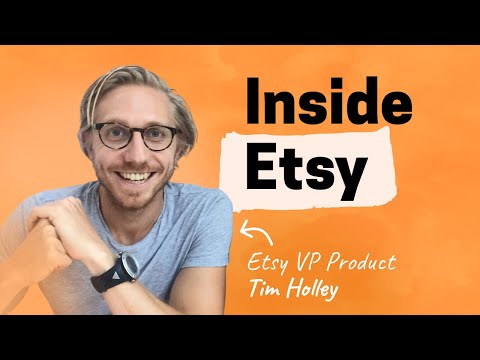
Tim Holley: 2020年4月初,当美国疾病控制与预防中心(CDC)强制要求佩戴口罩时,基本上我们某天睡去时还是平常的4月流量、平常的4月销量,一觉醒来就变成了“黑色星期五”。部分原因在于,没人知道去哪里找口罩。我们的卖家是极其精明的生意人。如果你以前在做婚纱,懂得缝纫,有材料,还有一点时间,做口罩其实是一件很简单的事。所以我们看到了需求的巨大激增,然后供应随之上升以满足需求。据我所知,我们做了一件在Etsy历史上从未做过的事,那就是向卖家发出呼吁:“现在就是时机。如果你能做口罩,现在就是做口罩的时机。”所以感觉这是我们大放异彩的时刻,真正帮助卖家继续实现销售,帮助买家找到他们正在寻找的这一关键物品。从那以后,事情仍在继续发展,我们非常努力地确保对买家而言,故事不仅仅是关于口罩,要让他们理解Etsy是一个拥有许多不同品类和不同物品的地方。
Lenny: 欢迎来到Lenny的播客,在这里我采访世界一流的产品领袖和增长专家,向他们在构建和增长当今最成功产品时所积累的来之不易的经验学习。今天的嘉宾是Tim Holley。Tim是Etsy的产品副总裁,他在那里工作了10多年,帮助Etsy的商品交易总额(GMV)从大约5亿美元增长到超过130亿美元。这期节目适合任何从事市场平台工作的人,或者正在寻找增长点子的人,亦或是寻求如何改变内部文化建议的人。我们深入探讨了Etsy经历的将其带入下一个水平的大型文化转型。有很多产品变更的例子,帮助了他们提高转化率、获客和留存。此外还有Etsy如何组织团队,如何思考供需动态,Etsy如何开始增长其初始供应,以及初始需求。还有一堆框架和招聘建议等等。请欣赏这期与Tim Holley的节目。
离职与回归
Lenny: Tim,非常感谢你的到来。欢迎来到播客。
Tim Holley: 谢谢你邀请我,Lenny,非常感激。我很期待。
Lenny: 我比你还要期待。所以你在Etsy待了大概10多年,虽然我注意到你离开过一年,最后去SoulCycle领导产品。所以首先,那是怎么回事?那里发生了什么?
Tim Holley: 是的,当时我在Etsy已经待了六年多,我就是心痒痒了。我想去做不同的产品,构建不同的东西,体验不同的行业。同时,我有一个理论,在医疗保健的主动端工作,也就是健身和健康,是实现更好结果的方式。感觉SoulCycle是一个非常有意思的做法。相当知名的品牌,在很多城市都有临街店面。你能通过它带来改变吗?最终我意识到那不是一个我想投入大量时间和精力的地方。所以通过大量的自我反思、成长,我知道我找到了回到Etsy的路,真正锚定了三件事。第一,做一个你关心的、能为他人生活增加价值的产品。所以我们在Etsy每天做的事情就是帮助我们的卖家实现销售,这对绝大多数卖家来说真的很有意义。这让他们接触到原本无法接触到的受众。所以每天早上起床来做这件事,感觉真的很棒。这也许是商业和产品层面的事,另一面则是人。听起来可能有点多愁善感,但只是和那些你能从他们身上学习、你尊重、最终能一起愉快工作的人共事,这非常重要。我们在工作日和生活中花了很多时间在工作上,所以和那些你真正看重的人一起工作,很棒。我有一个记忆,我们以前有个工程师是前脱口秀演员,所以这真的把每天“站会”的含义推向了极限。总是有一点乐趣,有一点兴奋。你永远不知道你会得到什么。所以就是像这样的小事,让工作生活变得非常、非常棒。
企业文化转型
Lenny: 太搞笑了。我从没那样想过。我觉得每个站会都需要在站会里有个脱口秀演员。听起来这应该成为敏捷的一部分。我们需要修改宣言。所以我一直从外部观察Etsy的旅程,所以有一些我一直想深入挖掘的事情。一个是我只记得当年当你们现在的首席执行官Josh Silverman加入时的那个《纽约时报》故事,感觉那是Etsy历史上的一个巨大时刻,感觉它就像是从那种充满感性、大家都相亲相爱的时刻,转变成了“嘿,伙计们,我们得在这里建立一个可持续的真正业务”。感觉很多初创公司都必须经历这种转变,就像“什么都不会改变。我们在这里都是一家人”,变成了“事情必须改变。这行不通。”我很好奇亲历那一切是什么感觉。
Tim Holley: 是的,我想说的第一件事是,这是一次艰难的转型,就我个人而言算是比较幸运的,因为你提到的2017年的那次转型恰好与几轮裁员重合。我超级幸运没有失去工作,所以我不想预设我感受到的“艰难”和另一个人感受到的“艰难”是一样的。但我认为我们很多人,包括我自己,将很多身份认同与Etsy以及我们正在做的事情捆绑在一起,对企业使命和我们试图实现的目标有着非常深厚的热情。我刚才提到了帮助小型独立卖家。需要明确的是,这并没有消失。我认为这是我们非常成功地延续下来的一条主线,10年前是如此,今天依然如此。但那也是一个时期,我们真的被迫重新思考我们工作的很多方式和我们在做的事情。
举个小例子,我们曾有一种根深蒂固的基于共识的文化,我们真的会对很多决定和很多功能进行辩论。一方面,我认为这确实能带来好的结果,对吧?深思熟虑的产品,很多观点真正融入了思考的核心。另一方面,不够快。当你的身份认同与公司和你所做的事捆绑在一起,然后你被要求或者你意识到你需要改变工作方式时,这会让人感觉很关乎存亡。这真的触及了你是谁以及你坚信不渝的东西的核心。现实是,这是一门生意,我们需要更快地推出功能、改善体验,最终,有一种可预见的方式来推动商品交易总额(GMS),这是我们的北极星 KPI(north star KPI)。所以这确实花了一些时间来理顺,但我们达到了一个很好的状态,过去几年的结果在某种程度上说明了一切。但这绝对是一个充满考验和艰难的时期。
Lenny: 我总是很好奇这些变化是如何发生的,以及什么在促成改变中起作用。你有没有什么印象中 Josh 做得很好,或者领导者们做得很好,从而帮助了那次转型的?
Tim Holley: 有一件事非常突出,那就是拥有……我刚才提到 GMS 是我们的北极星 KPI,就是拥有这样一个指标,让它绝对处于核心位置,成为我们在每次会议上谈论的主旋律,成为我们衡量发布成功与否的标尺。也许有点令人惊讶,但我们过去并没有这种清晰度。
因此,围绕这一点凝聚所有人。你可能不会直接对其产生影响。你可能通过一层或两层抽象来对其产生影响,但你仍然与公司试图实现的目标保持清晰的一致。这是一个非常鲜明的差异,我认为这很有帮助。它对优先级讨论帮助很大。如果你不能真正说清楚为什么这件事对推动 GMS 很重要,以及我们所谈论的时间框架,无论是按季度还是12个月来看,并且不同的项目会以不同的方式做出贡献。但这只是一个巨大的突出点,多年来这一直是一个主旋律,让我们继续以此作为衡量标准保持专注。
对我来说,另一点是带来由外而内的视角,真正与你的竞争对手和你的竞争阵营进行基准对比。别误会,我认为 Etsy 是一个独特的市场。我们的卖家是独立卖家。他们卖独特的商品。但现实是,我们的买家在整个互联网上购物。他们在商业街(High Street)购物,他们在不同的地方购物。因此,我们必须了解他们在哪里花钱的更广泛背景,这有助于我们随着时间的推移做出更好的决策。所以一方面,Etsy 没有一对一的直接竞争对手。但是还有其他企业和品牌在争夺眼球或钱包,我们需要意识到这一点。将这一点引入讨论非常有帮助,它帮助我们将自己立足于买家行为的整体动态、他们在哪里花钱以及他们如何看待我们。
Lenny: 作为领导者,在观察那次转变的过程中,你还有什么其他收获,是你现在用来促成改变、让人们过渡到不同工作方式上的吗?
叙事与目标的一致性
Tim Holley: 肯定要聚焦于一个清晰的、团队可以共同聚焦的 KPI。这是其一。另一点是……我非常敬佩 Josh 讲述非常清晰的叙事并随着时间推移一致地使用它的能力。有句老话说,你需要把一件事说三遍人们才能理解。我敢打赌,你需要再说三遍他们才能内化它。
让这成为日常对话的一部分,看起来似乎是一件小事,但累积起来就是在目标上,即 KPI 层面,有了清晰度,然后在原因上,即叙事层面,也有了清晰度。如果你能把这两者结合起来,我认为这是一个极其强大的组合。
Lenny: 既然谈到这个话题,我很好奇 Etsy 的价值观是什么。我想你们已经把其中一些成文了,在 Airbnbs 我们称之为核心价值观,或者在 Etsy 你们也有类似的说法。如果是这样的话,我很好奇它们是什么。
Tim Holley: 在 Etsy 我们称之为指导原则(guiding principles)。我们有几条,我不会全过一遍,但只是让你感受一下,其中一条是关于深入挖掘(digging deeper)的,这真的是指力求真正理解一个改变背后的原因,真正深挖我们通过定性或定量研究,或者我们可能正在研究的其他输入所获得的洞察,以便用我们当时掌握的信息做出最好的决定。原则的另一个例子是减少浪费(minimizing waste)。它符合我们对产品开发的看法,也就是,我们想知道,我们正在做的工作是否为客户和业务增加了价值?所以在产品开发中很多时候行不通,我们错了。因此能够说“不,这不再有价值了,我们需要转到下一件事”,这是一直对我们非常有益的事情。归根结底,我们是一个相当小的团队。公司里只有2000多人,如果你再把范围缩小到工程和产品,我们并不大。所以为了取得成功,我们必须非常严谨地对待我们如何投资我们的时间和资源。
Lenny: 太棒了。好的,那么作为一个局外人,感觉 Etsy 经历的另一个重大时刻是在新冠疫情期间。出现了向电子商务的巨大转变,我认为 Etsy 是这一转变的巨大受益者。人们想在网上买更多的东西,减少去实体店。感觉这就像是对业务的一个巨大加速器。我很好奇,带领产品团队经历那一切的体验是怎样的。
新冠疫情下的爆发
Tim Holley: 我得说,那相当疯狂。具体来说,可能至少在科技界的许多人或我们所有人都是这样,我们回家时并不知道接下来的几周——我们以为只是几周,结果变成了几年——会带来什么。但是当美国疾病控制与预防中心(CDC)强制要求戴口罩时,我想那是在2020年4月初,那时基本上我们某天睡觉时还是典型的四月份流量、典型的四月份销售额,然后一夜之间就变成了黑五。
部分原因是因为没人知道去哪里找口罩。我们的卖家是极其敏锐的生意人。如果你以前是做婚纱的,你知道怎么缝纫,你有材料,你有一点时间,做口罩是一件相当简单的任务。所以我们看到了这种巨大的需求激增,然后供应随之上升来满足它。
并且据我所知,我们做了一件在 Etsy 过去从未做过的事,那就是我们向卖家发出呼吁:“现在正是时候。如果你们能做口罩,现在正是时候。”所以感觉就像这是我们的闪耀时刻,真正帮助卖家继续销售,帮助买家找到他们正在寻找的这一关键物品。因此,在我们适应那种变化时,是非常非常激动人心的几周。我们真的……每天都会有站会。“发生了什么?我们需要改变什么?”
我清楚地记得,我们担心某些卖家无法满足他们所面临的需求。所以我们做了一件老派的事,虽然不是亲自上门,而是给他们打了电话,说:“你们情况怎么样?我们能帮上什么忙?”有些人说:“我们能搞定,别担心。这完全在我们的能力范围内。我们绝对能满足供应。”另一些人说:“实际上,我们需要一点帮助。我们需要暂停一下,先赶完所有这些订单,然后我们才能继续接单。”所以,回归到老派的了解你的客户,弄清楚他们那一刻需要你提供什么,这确实是那段时期非常有力的一点体会。
从那以后,事情在继续发展,我们非常努力地确保对买家而言,Etsy 的故事不仅限于口罩,要让他们明白 Etsy 是一个拥有众多不同类别和丰富物品的平台。那是下一阶段的挑战。我们迎来了大量新买家或重新激活的买家。如何留住他们?如何确保产品在留存方面多发挥一点作用,并真正打造出能让他们一次又一次回头的钩子?这就是我们随后从 2020 年中期开始,大概经历了 18 个月左右的旅程。
危机中的团队领导力
Lenny: 作为一名领导者,在带领团队度过那段时期时,你有什么收获吗?那一定是一段相当超现实的经历,压力很大,人们都在担心自己的健康。
Tim Holley: 那时我是幸运儿之一。没有孩子,在一个当时显然至关重要的行业里工作。所以我非常敬佩父母们是如何熬过那段时期的。确实有压力,但没有达到其他人所经历的新冠压力的程度。
我们只是尝试了很多东西。我记得早些时候,我想我们甚至可能每天,但至少每周三次和团队进行咖啡聊天,就像,“你们情况怎么样?发生什么了?”在某个时刻,我们意识到我们谈论的全是完全一样的事情。没有人想参加更多的电话和视频聊天。所以我们只是不断调整,真正试图掌握团队需求的脉搏。正如我所说,考虑到作为父母或其他身份的背景,这在人与人之间差异很大。所以绝对不是一刀切的解决方案。这更多是在人员管理方面。
我认为在产品方面,正如我提到的,我们真正开始专注于推动留存,或者换种稍微不同的说法,提高购买频率。这对我们来说是一个较新的话题。在 Etsy,长期以来我们有着一种——也许我带着一点滤镜在说——非常棒的实验和 A/B 测试驱动的文化。所以当你思考诸如留存这样的事情时,你绝对可以进行测试,我当然不是说不能测试,但你关注的是一个不同的时间跨度。你不是看某人在当次访问或一周内是否购买,而是看他们是否会在 30 天、60 天、90 天后回来。
因此,这在某种程度上迫使我们走出了舒适区,无论是在我们如何理解变化、如何衡量变化,还是我们愿意等待多长时间看到其显现方面。回到关于减少浪费的增量点上,这真的在为业务增加价值吗?所以这些都是非常棒的挑战,当然,业务方面的强度和关注度也相当高。但那是一段令人激动的时光。
构建成功市场平台的经验
Lenny: 好的。既然说到这个,我想聊聊市场平台,以及你们构建的市场平台和从中获得的经验。我认为它是世界上——我也不知道——大概排名前十的市场平台业务之一,差不多在那个级别。首先,我大致很好奇,你认为构建一个真正成功、蓬勃发展的市场平台,真正重要的是什么?之后我会再深入挖掘细节。但就泛泛而谈,你脑海中浮现出的是什么?
Tim Holley: 这种说法现在依然存在,但我认为早期我们真的非常专注于卖家方面,也就是业务的供应端。我们真正沉浸于卖家是谁,他们需要什么,以及他们的需求可能与他们在其他地方找到的解决方案有何不同。
以前,我们会去拜访卖家的工作室。我们去他们的作坊,去他们的家里。我们看他们如何制作物品,看他们如何打包和发货。当我们举办黑客周时,我们会把他们请到办公室说:“嘿,我们有个疯狂的想法。这有意思吗?”所以试图在合理或可行的范围内,让他们参与到产品开发过程中来。
我认为这对我们非常有利。我们对卖家有着非常深刻和丰富的理解。然后下一阶段以及最近的阶段是,我们如何创造一个世界级的买家体验,最终为我们的卖家推动销售?因为当你有超过 1 亿件商品,而且每一件都是独一无二的,你面临的挑战与你有 1 万个可以在任何地方或许多零售商那里找到的 SKU 完全不同。
因此,像结构化数据这样的话题,像如何帮你建立信心的话题?买家相信这件东西会满足你的需求,而卖家可能是你从未听说过的。他们没有你以前遇到过的品牌。所以我们在这一方面面临一些有些独特的挑战,我们需要深入探讨其他市场平台绝对会涉及的主题。例如,客户评价在我们的体验中扮演着重要角色,但考虑到我提到的事情,它们扮演着更突出的角色,对吧?来自卖家的独特库存,这个卖家可能是一个独立的人,一个单独的创业者,就是一个人。
供需优先级的博弈
Lenny: 所以你提到最初重点是卖家,这非常有意思,因为很多市场平台,首先需要弄清楚我们关注哪一边?我们最服务于谁?而你描述的方式是,最初是我们如何确保加入 Etsy 的卖家得到最好的服务?然后后来就变得更关注买家那边了?
Tim Holley: 是的,我想我把它描绘成了一种线性的方式。当然不是这样的。因为如果你有供应而没有需求,那么你实际上没有市场平台。如果你有需求而没有供应来满足它,那么你也没有市场平台。所以在“你是否有足够的供应来满足你的需求”之间存在一种来回拉扯。而处理好这个问题,我觉得是一种艺术,不一定是严格意义上的科学。
Lenny: 是的。所以我很好奇你们实际上是怎么想的。在 Airbnb,一直有这种思考,如果我们必须做决定,我们优先考虑谁?是房东还是房客?这些年在 Airbnb 这方面也发生过转变。你们是如何思考“如果真的必须做决定,这就是我们要优先考虑的人”这个问题的?
Tim Holley:
也许正如你所说的,这在 Etsy 也在不断演进。目前我们所处的阶段是,市场平台的工作,甚至在技术定义的市场平台出现之前,就是卖家去那里进行销售。如果他们卖不出东西,可能就不会去那个市场平台。因此,我们确实认为至关重要的是,拥有一批合格的买家,他们在寻找我们的卖家所售的物品及物品类型,并且我们能够帮助他们做出购买决定,从而让卖家达成销售。
这并不意味着每个团队都在为买家构建功能,因为那是行不通的。尤其是因为市场平台的屏幕空间是有限的。如果同时有太多团队在上面工作,最终会互相妨碍,也不会有那么高的效率。因此,当然,我们有一个团队高度专注于改善卖家体验。他们如何列出库存?如何管理销售?如何发货?这只是一个例子。
但回到 GMS 是北极星 KPI 这一点,GMS 代表买家从卖家处购买。因此它并不一定意味着只为你的一类受众或一类客户构建功能,而是说这里真正要完成的工作是协助促成这笔交易。
Lenny: 这和 Airbnb 经历的转变完全一样。最初是专注于房东,确保房东是最开心的人,并做我们需要做的一切来让他们开心。后来业务的核心变成了购买产品的客户,你必须确保他们才是开心的人。有时候为了房客端的利益,你不得不推动房东去做他们不那么热衷的事情。
Tim Holley: 我想这也是一个事实,作为市场平台,我很好奇 Airbnb 是否也是如此,我们拥有单个卖家所没有的信息和数据洞察。因此,利用我们所掌握的洞察,我们可以帮助他们做出希望能带来销售的更好决策。如果你在这个时间段将某件商品打折,它很可能会引起买家的共鸣,你可能会获得一笔额外的销售。因此,我们试图在如何帮助和引导卖家采取行动方面做到真正的数据驱动,因为我们真心相信这对他们及其业务是有价值的。原因很简单,他们要么是小企业主,没有时间进行那种程度的深入挖掘;要么仅仅是因为他们无法获取这些信息,因为他们看到的是自己业务的视角,而我们俯瞰的是整个市场平台。
供给约束与需求约束
Lenny: 也许顺着这个话题再深入探讨一点,你们是如何看待供给约束与需求约束的?这个问题会出现吗?我想可能要视品类而定。
Tim Holley: 从宏观层面来看,我们有 1 亿件商品。所以如果你只看这个数字,你会认为我们不存在供给约束。我们想要把买家引向这些供给。当你深入挖掘到品类、子品类、甚至更细分的子子品类层面时,我们确实会开始看到一些局部情况,比如我们可能想要增加墙壁装饰类库存的类型和数量。看到你背后的东西,那可能不是一个恰当的例子。但那正是我们随后开始关注并思考的地方,即是否有我们想要倾斜资源的领域?归根结底,真正要思考的是,我们如何帮助买家做出选择?因为当你有 1 亿件商品时,即使在一个子子品类中或对于一个特定的搜索查询,你通常仍然有很多结果可供选择。你如何根据你的需求来区分一件商品或一个卖家?什么时候能到货?成本是多少?是这个尺寸还是那个尺寸?所以我们真的在努力倾向于解决这类问题。再说一次,在某种程度上这是基础经济学。但鉴于我们所处的规模,这是一个相当独特的挑战。
Lenny: 你们有哪些方法来鼓励卖家提供你们认为缺乏的东西?
Tim Holley: 回到那个数据驱动的观点,对吧?如果我们能够清楚地说明,如果你展示更多照片,你将帮助买家以新的、更深层次的方式了解你的商品,那么你就更有可能达成销售。这可能是一个有点过于简化的例子,但这些就是我们通常通过观察市场平台活动的数据,和/或通过我们正在做的研究,从而知道这会有价值的事情类型。挑战往往是,我们有太多想要卖家去做的事情。对他们来说,现在最重要的是做什么?这可能会随着季节有所变化。我们正慢慢开始进入假日季。这伴随着购买量的激增,是一个高度活跃的购买期。将此与母亲节前后进行对比,也许不同类型的库存会非常有效。因此我们需要卖家提供不同的投入。因为归根结底,他们是生意人。他们一天中的时间有限,并且他们想把时间花在制作上。那么我们如何确保他们花在 Etsy 上管理库存、提供客户支持的时间尽可能有价值呢?
通过买家体验引导卖家
Lenny: 所以本质上,通过向卖家展示的产品信息和推荐就是你们与他们沟通的方式吗?
Tim Holley: 是的。在某种程度上,我们利用买家体验来传递什么才是重要的信号,对吧?当我们明显突出照片时,这显然是一个非常过于简单的例子。
Lenny: 卖家[听不清],这就是搜索体验所突出展示的内容。
Tim Holley: 作为一个例子,是的。然后真正去思考我们突出显示的一些信号或信息片段。其中包含了什么?我们知道,提供优质客户服务的卖家,他们会回复……我们称之为 convos,也就是我们平台上的消息。他们会回复得非常快。这就是我们随后在体验中突出显示的东西,如果你达到了这个标准,我们就可以开始向买家发出信号,是的,这个人提供了非常出色的客户服务,我们可以相应地设定你的期望。
Lenny: 太棒了。是的,我们在 Airbnb 看到了同样的情况。我参与过的其中一项工作,是市场平台上较大的转变之一,即将 Airbnb 转变为即时购买体验。许多房东并不想要这个,因为他们真的想审查房客并确保自己对房客满意。但最终这对转化变得如此重要,以至于我们只能鼓励他们开启这个功能。其中最有效的方法之一恰恰就是你分享的,在搜索体验中,当有人来搜索时,我们默认搜索结果只显示可即时预订的房源。房东们开始意识到,“天哪,事情正向这个方向发展。我觉得我必须认真对待这件事了。”这非常奏效。
Tim Holley: 是的,很有意思。
买家侧的转化率提升
Lenny: 再顺着这条线索深入一点,我很好奇在你们运行过且具有较大影响的实验中,你在买家侧看到的较大的转化率提升有哪些?
Tim Holley: 我不会说我们总是这样,因为那暗示我们不知道自己在做什么。我们经常对哪些事情能产生超乎寻常的效果感到惊讶,而那些我们认为会大获全胜的事情,最终却只带来了极小的价值。但回到前面提到的一些主题,评论长期以来一直非常重要。
而当你在查看一件商品时,正如我所说,那是独特的,来自独立卖家,另一个买家在寻找的信息类型可能与其他市场,甚至他们可能去购物的平台有些不同。因此,我们真正试图倾向于,好吧,它在买家手里、在买家家里看起来是什么样的?也许这会给下一个购买者多一点信心,让他们知道这是合适的尺寸、合适的颜色,无论是什么。因此,这是一条对我们来说长期以来非常富有成果的路径,并且继续是我们迭代、关注的事情。
Lenny: 我只是想确认一下,这本质上就是向卖家推荐,“这些是你列表中应该有的照片。”
Tim Holley: 相反,是从买家那里收集。所以卖家会给我们他们要拍的照片,然后我们可以用我们称之为买家评论照片的东西来增强它们。但最终,购买者通过照片或视频获得的体验是超级、超级有价值的。
Lenny: 很好。好的,酷。所以添加你们发现有助于买家转化的特定照片。继续。
Tim Holley: 然后另一方面是真正倾向于更多行为经济学的策略,只是帮助买家做决定。信号和助推是你在文献中会看到的称呼。我们在提升那些真正帮助买家理解的微小信息片段上取得了巨大成功,比如“这个实际上只有一个。嗯,这是个值得知道的好信息。”这是一种随后融入他们决策过程的东西,否则它可能就被埋没了。因此,真正倾向于快速摘要,易于一眼扫过的信息,使买家能够获得足够的信心说,“是的,在这 1 亿件商品或这个搜索查询的结果中,这是我最愿意买的。”我们在那条路径上也看到了很多成功。
Lenny: 这在 Airbnb 也是一条路径。他们做到这一点的方法之一是称之为 rare gem,指的是现在可用的、非常受欢迎的东西,并且他们为此创造了某种图像符号。团队里的工程师最终在万圣节装扮成了 rare gem。这在公司里成了一件大事。关于 Airbnb 有趣的一点是,每个家都是独一无二的。总是只剩一个,并且总是有笑话称,“我们应该总是只剩一个,你最好现在预订。”
Tim Holley: 我相信它是作为……我不相信。我知道它是作为一个问题或错误引入的。但我们最终显示了四颗星,而当第五颗星是半星时,它被渲染成了一个马的表情符号。所以在 Etsy 的那一瞬间,我们的一些评论评分显示了四颗星和一匹马。这引发了大量的内部乐趣。然后回到你关于万圣节的观点,我们有几个团队装扮成了四颗星和一匹马。这相当有趣。
Lenny: 是不是就像五个人里,四个人是一颗星,然后有一个人是一匹马?
Tim Holley: 是的,完全正确。
极简改动带来的巨大转化
Lenny: 沿着这条路径再深入一点,Airbnb 搜索体验最大的胜利之一就是这个非常小的想法,如果在搜索结果中在新标签页中打开每个房源,最终转化了 1%,就像转化率提高了 1%?你记得你们做过类似的事情吗,就像“天哪,这太简单了,但却是这么大的胜利”?
Tim Holley: 是的,关于那个确切的例子我们有类似的经验。我经常考虑努力和回报。所以这可能是一个较小的商品交易总额胜利或转化率胜利,但它只是一行文本的改变。我们见过这样的情况,我们添加了一小段,也许我们觉得它几乎就是营销文案,最终却产生了巨大的影响。我们有一个例子,我们在购物车体验中添加了一些文本,我们看到了巨大的提升,这是我们真正、真正没有预料到的。这更多是我们传达我们作为企业的价值观,这似乎真的与我们的买家产生了共鸣。因此这推动了转化。我们有这样一行文案改变的例子,它所能产生的影响是相当令人震惊的。
Lenny: 我很好奇那个改变到底是什么,产生那么大影响的文本改变,如果你能想起来的话。
Tim Holley: 我们长期以来并持续投资于可持续性,而文本的改变是在我们的购物车中,我们指出 Etsy 抵消了每次送货的碳排放。仅仅是添加了这简单的一行文本,就像我说的,真正与我们的买家以及来到 Etsy 的客户类型产生了共鸣,并真正推动了转化。
Lenny: 我请过 Ronny Kohavi 上播客,他是实验领域的顶尖专家之一,他有一个统计数据,平均每家公司有 80% 的实验会失败。就你们发现实验的实际效果而言,这听起来准确吗?
Tim Holley: 是的。
Lenny: 太棒了。好的。你们在实验方面总体的理念是什么?所有事情都作为实验运行吗?有时候有些事情不运行实验吗?你在 Etsy 是怎么考虑这个问题的?
实验文化与验证方式的拓展
Tim Holley: 目前,我们绝大多数的改变都是这样做的。坦白地说,我认为这是我们作为产品组织,甚至可能作为公司的一个增长边缘,即引入不同的方式来验证改变。因为在某种程度上,或者也许是我思考实验的方式,那是最高的标准。它以近乎绝对的确定性证明了你所做的改变和你想要提升的 KPI 之间存在因果关系。但我认为在某些改变或某些领域,你正在朝着更大的全新事物努力,或者这个特定的改变并不能真正代表你正在构建的更大整体,它可能有些偏离重点。所以就像我说的,我之前提到过,我们长期以来一直是一个非常由 A/B 测试驱动的组织,这不仅因为 Etsy 的背景和历史在令人难以置信的工程文化中有极深的根源。所以这是真正经过检验且可靠的。因此绝大多数事物都是以这种方式测试的。我们正在扩展我们关于随时间查看队列的思考方式。我之前提到了留存,在某种程度上,它需要一种不同类型的测试。当我们看待我们的 SEO 工作时,你不能用完全相同的方式来思考它。
但贯穿其中的主线是,我们所做的改变是否在增加价值?这就是我们想要试图理解的。A/B 测试是一个很好的方法来实现这一点。还有其他方法,其中一些我们已经开始采用,另一些我们将继续研究并思考如何利用。
Lenny: 有没有什么例子?如果没有也完全没关系,关于你们发布的某个功能,可能实验结果是负面的,或者你只是不想把它写成实验。
Tim Holley: 当我们从卖家那里收集输入时,我们只是单纯觉得不展示或不遵守是不合适的。我们谈论的是一种经过验证且可靠的促销和打折做法。如果卖家提供打折商品,那么我们就需要展示出来。我们确实很好奇这实际上是如何驱动买家行为的。并且有一些方法,我们可以构建前后分析之类的东西,试图理解其影响。但最终,在这些领域,我们倾向于以不同的方式查看我们的数据。因此我们对价值的信心程度可能略有不同,但我们仍然确信它确实有助于整个市场。
Lenny: 这是一个很好的例子。是的,我不确定我在那里会怎么做。这很棘手。所以我们一直在谈论转化。我很好奇在获客方面,你看到什么有效。总体而言,人们是如何发现 Etsy 的?你如何为 Etsy 驱动漏斗顶部的流量?
获客策略与漏斗顶部
Tim Holley: 是的。Etsy 有两面,对吧?有卖家和买家。坐上时光机回到过去,在卖家方面,我们会去像 Renegade 这样的手工艺品集市以及其他卖家亲自售卖的地方,真正让他们知道 Etsy 的存在。所以那是非常脚踏实地的,让我们走出去,试图将卖家引入市场。其中一些在某种程度上早于我的时间,当我加入时,我们可能只是在做收尾工作。然后我们通过卖家获得了大量很好的口碑。一个卖家可能认识其他有同样倾向成为出色手工艺者、想要出售自己物品的人。因此我们在我们的……方面看到了一些成功。我们有一个 Teams 平台,卖家可以在那里聚集,互相提问,以及通过它产生的口碑类型的增长。
在买家方面,我们真正利用了我们拥有大量库存这一事实。在某种程度上,它最终成为相当长尾的库存,在那里我们可以满足真正小众和特定的需求。因此这非常适合思考 SEO,也非常适合思考 Google Shopping,某人不在 Etsy 上,但通常正在寻找有些或非常特定的东西。我们可以通过向他们展示不仅是一件单品,也许还有那个以及他们可能会发现的类似风格的其他选项,在某些情况下在类似的子类别中,以一种真正有意义的方式真正满足他们的需求。因此这些一直是我们投资的长久经过验证的领域,我们在为 Etsy 驱动新买家方面看到了非常大的成功。
Lenny: 我研究并写过关于 Etsy 如何从卖家和手工艺品集市起步的故事。所以那是一个非常经典的故事。我认为还有一个因素是早期卖家驱动了早期买家,因为他们只是在宣传他们的商品列表页面,“这是你可以去购买的地方”,这是一个非常不公平的稀有机会,仅仅通过关注卖家就能发展市场。
Tim Holley: 我的意思是,是的,而且卖家也是买家。因此如果他们正在制作倾注了心血的东西,他们很可能会看重别人身上完全相同的行为。因此如果他们在卖一件物品,他们可能在寻找不是他们确切类别,而是在相邻类别中的其他东西,然后他们就成了买家。所以当这开始起作用时,这是一个很好的动态。
口碑传播与推荐机制
Lenny: 是的。让这个市场起飞有如此多的天然优势。太酷了吧?你提到口碑是 Etsy 开始传播的很大一部分。我想象即使在今天也有很多只是,“嘿,你应该看看 Etsy。”你有没有做过什么来加速口碑或在口碑的基础上建立,推荐机制浮现在脑海中?在这些方面有什么吗?
Tim Holley: 是的,我们大概八年前左右尝试过推荐计划。我们看到的是,那是一个不同的时代。因此我想我们可能没有像今天这样重视一个新买家。因为在某种程度上,你是在解锁未来价值。他们进行了一次购买,然后赌的是随着时间的推移他们会继续进行后续购买。我们当时不一定有现在这样深刻的理解,所以我们的买家推荐计划最终并不是一个巨大的成功。
但在卖家方面,那是在 Dropbox 推荐计划成为他们增长的巨大驱动力、以及“get”概念在当时非常流行的时代。在卖家方面,我们真正深入做的一件事是,在 Etsy 上,对于不熟悉的人来说,上架一件商品要花费 20 美分。这可能看起来像是为了起步而付出的非常小的财务支出,但它有一点门槛。我们能做的越多来消除这些门槛,某人成为卖家或上架更多商品的机会就越高。
所以我们真的把这点作为卖家推荐计划的筹码来深入利用。回到我关于 Teams 所说的,那是一个非常好的方式来加速一些正在发生但还可以发生更多的活动,或者真正帮助卖家理解,“哦,是的,这里有一个钩子。如果我推荐这个人,他们将获得一些上架积分。他们将更容易开设他们的商店。然后当我需要上架更多物品时,我也有可以应用的积分。”所以那是一个小领域,我不会说它是增长的巨大驱动力。但在某些市场,在某些局部,我们看到它运作得相当好。
Lenny: 太棒了。这也有助于防欺诈,这是推荐计划的一个巨大问题,其中的积分只是让你可以在 Etsy 上架。这不像你可以从公司偷走大量资金。所以那很聪明。
Tim Holley: 是的。
Lenny: 好的。我想谈谈漏斗的另一个部分,留存。你有没有学到什么真正有效的东西来帮助提高留存?
留存策略与习惯闭环
Tim Holley: 我们长期以来一直拥有本质上具有留存性的功能。例如,在 Etsy 上,我们称之为收藏。这可能在其他地方是点赞或类似的动作。但是我们如何思考习惯闭环,如果你采取一个动作,触发点是什么,然后奖励是什么?
因此以收藏为例,你收藏了一件物品。那算是比较强的……当然,把它加入购物车或者可能购买它,那是最强的信号,但你已经展示了意图。那么我们可以用这些信息做什么?我们可以说,“卖家把它打折了。你应该回来看看。这快卖光了。这件物品只剩一件了。你展示了一些意图,你可能想回来买它。”这只是试图闭合那些闭环的一个例子。
也正是在这方面,我们开发了比如我们称之为 updates feed(更新动态)的功能,本质上是一个你操作记录的信息流,我们在其中展示情况的变动、最新的动态,然后引入久经考验的推送通知策略来提醒你,这样当你在频繁使用手机时,就能看到这条提示。这是一条非常恰到好处的通知:“我真心喜欢的东西现在打折了,我想去看看。”这些都是真正依托于习惯闭环框架的例子,这帮助我们认识到,我们拥有大量此类行为数据。我们该如何闭合这些闭环?如何让它对我们的买家真正产生价值?
品牌定位与差异化竞争
Lenny: 稍微把视角拉远一点,Etsy 能够在 eBay 和亚马逊的世界中生存下来,这多少有些不可思议。我只是好奇,你认为创始人和团队在早期做对了什么,从而开辟出了这个空间?毕竟人们可以直接从他人那里买东西,也可以在亚马逊上非常迅速地买东西,但 Etsy 却创造了一个属于自己的世界,建立起了一门持续蓬勃发展的庞大业务。你认为他们在开辟这一空间时,到底做好了什么?
Tim Holley: 我认为在某种程度上,这可以归结为……也许这么说有点极端,但一个关键要素就是品牌。品牌在人们的心目中代表着某种特定的东西。这也让人明白,你在 Etsy 上不会看到同样的商品库存。你不应该期望在 Etsy 上能找到和你在 eBay 上寻找的一模一样的东西。这对我们的买家来说是不合逻辑的。我们卖家销售的商品是独一无二的。因此我认为,这个核心要素,结合我们对政策的思考,以及我们在某种程度上维护市场完整性的方式,这两者结合起来确实让我们脱颖而出。我认为如果你去问很多人,当然特别是在美国,他们对 Etsy 的看法,脑海中会浮现出非常具体的形象。这个形象可能正是我们想要去演进和深化的,但它确实感觉与众不同。它既不同于 eBay,也不同于亚马逊。我认为这其中蕴含着真正深远的价值。我并没有在最初加入公司,但这绝对是 Etsy 起步阶段就具备的特质,并且一路贯穿到了我们今天的定位。
Lenny: 这对我来说完全说得通。但另一方面,我也不知道这一切是如何发生的。关于团队是如何做到这一点并建立起这个品牌的,你有没有什么思考?其中有哪些重要元素?是某种特定的美学风格吗?还是你们坚持引入的某种特定类型的商品?你认为在建立这个品牌的过程中,什么是最重要的?
Tim Holley: 我认为关键在于商品供应。如果你思考一下这个市场,绝大多数的内容也许可以被视为 UGC(用户生成内容)。它要么是来自卖家的商品本身,要么就像我们之前提到的,来自买家的评价。因此,仅仅是在什么可以销售、什么不可以销售上保持极其清晰的标准,我认为就真正让我们实现了差异化。我也认为这些年来,我们的品牌、我们的美学风格以及我们的自我定位都在不断演进,并且理应继续演进。但就我们目前所处的阶段而言,我们的宣言是 keep commerce human(保持商业的人情味)。这听起来非常简单、极其精辟且容易记住,但如果你一直追溯到我们的起点,它在真正重视独特性、重视手工制作方面是有着传承脉络的。因此,这种理念确实渗透到了我们的决策制定中,渗透到了我们的对外形象、我们开发的功能类型以及我们优先考虑的事项中。也许永远不能把话说死,但如果是商品被无人机空投下来,全程没有任何人触碰过,那就感觉很不 Etsy。这不是我们会倾向于去发展的方向。
Lenny: 有趣的是,Etsy 与 Airbnb 有着如此多的相似之处,因为 Airbnb 秉持的是相同的大理念。都是关于人们的家,人们创造的东西。而且,我认为 Airbnb 早期的标语是“像人类一样旅行”。所以这实际上是一个非常相似的概念。
Tim Holley: 是的。
Lenny: 这触及了我想要探讨的一个问题,那就是许多市场平台在发展壮大时,都会面临供应受限的问题。随之而来的就是增加不同类型供应的压力。以 Airbnb 为例,这种压力表现为:“我们应该引入酒店,我们应该把物业管理公司、度假租赁公司加进来。我们应该囊括人们想预订的所有房源,因为我们正在流失业务。既然他们可以在这里预订任何东西,我们就应该让他们能订到。”但其中的矛盾在于,一旦这么做,我们就会变得和其他平台毫无二致。在那样的情况下,Airbnb 的独特性又在哪里呢?我想 Etsy 也经历过类似的阶段,当时有大量来自海外的廉价商品涌入平台,可以说是泛滥成灾。我猜情况确实如此吧?那么你们是如何看待这种供应边界的,你们又是在哪里划清界限的?
供应边界的坚守与演进
Tim Holley: 是的,我认为这在某种程度上又回到了我们刚才讨论的品牌和政策问题上。我们对执行政策的态度非常严肃。在我们这样的规模下,这并不是一件轻松的工作,这意味着我们需要持续投资,持续确保只有最优质的商品、最相关的商品才能留在 Etsy 上。这项工作永远没有完成的那一天。负责此事的团队工作得非常非常努力,他们总是在寻找新的信号,以识别出哪些商品可能不符合我们的标准。总体而言,在大多数情况下,商品供应是我们极其充裕的。回到我们早先谈到的一点,我们曾经努力解决的一个问题是,我们该如何帮助卖家扩大规模?他们销售的商品非常出色,但也许只是数量不够,或者因为一切都是手工制作的,他们无法满足需求。因此,随之演进出来的一项举措,就是倾向于我们今天所称的 production assistance(生产协助)。我对这个概念的理解是,你仍然需要清楚你的商品来源。如果你说:“我有这个设计,我只要把它扔给一个我素未谋面、毫不了解的制造商就行。我不了解他们的流程,我甚至可能不认同他们的做法。”那是达不到我们的标准的。你需要了解商品是如何制造出来的、是谁在制造,并且要与帮助你扩大业务规模的人建立实际的关系。这是我们在这类人身上看到的情况,他们可能更倾向于做设计师,而不是亲自去制作实物。他们有极好的创意,只是无法亲眼看着它变成现实。所以他们需要一些帮助。正如我所说,这正是我们积极投入去做的事情,为了能够帮助那些可能无法亲手制作并销售商品的卖家。或者对于那些已经触及供应能力上限的卖家,真正帮助他们更上一层楼,生产出更多的商品,从而达成更多的销售。
Lenny: 所以听起来,本质上这就是对 Etsy 允许什么样的商品上架的不断演进的定义,以及一个始终对此保持严格管控的团队。可以想象,在某一个时刻肯定做过一个艰难的决定,即“我们将限制供应,这就是我们想要留在平台上的商品。其他一切我们都要下架。”
Tim Holley: 我们会限制商品的类型,以及这些商品的数量,就像我们之前谈到的,这类商品数量庞大。但关键在于要有那个清晰的定义。在某些情况下,这很容易。有些东西违反了法律定义,这些是很容易去判定和处理的事情。但正是在那些处于灰色地带的地方,事情就会变得有些棘手。
Lenny: 这让我想到,我妻子其实是一名设计师,她制作了一些关于生活琐事的非常搞笑的图表。然后有人拿了她的设计,直接在 Zazzle 上的每个平台,可能还有 Etsy,反正是到处都在卖。她总是试图把他们找出来,让他们下架。但这对于一个小设计师来说太痛苦了。这不是 Etsy 的问题,这只是普遍的互联网问题。
Tim Holley: 是的。回到这个话题,我们有团队在努力思考关于 IP 的问题,思考如何监管,如何执行。
Lenny: 这很困难。
Tim Holley: 这并不是一个我会自称专家的领域,这真的是非常棘手的事情,但我们必须去应对。
卖家“毕业”问题
Lenny: 是的。我认为还有一个可以说是 Etsy 独有的问题,人们称之为毕业问题。也就是你加入 Etsy,业务开始增长,你变得非常成功。然后你就会想,“我为什么要给 Etsy 交这么多费用?我为什么不自己建个网站直接卖,一分钱费用都不交呢?”我想你们肯定经历过这个。如果是这样的话,关于如何避免让人们想要离开,你们有什么心得吗?
Tim Holley: 我认为其中的核心想法是,我们的费用通常很低,并且极具竞争力。因此从这个角度来看,留在 Etsy 是有理由的。根据我们的所见所知,我们的卖家是非常聪明的生意人。所以如果他们能通过其他渠道分销产品,可能是他们自己的网站、其他市场或是线下,他们大概率会去尝试。他们想要达成更多的销售。不是全部,但很多人天生就想要扩大自己的业务。因此,真正去理解我们在分销渠道这个结构中所扮演的角色,即使把它稍微简化一点来看,也真的很有帮助。在某种程度上,我们希望成为这样一个地方:他们不仅在这里产生销售,而且热爱在这里销售,因为我们的工具真正迎合了他们的需求。
所以这里是有一定粘性的。我之前提到了 Teams。有一些卖家聚集的地方,他们分享想法,有时也分享抱怨,但最终是互相支持。因此有理由留下来。我确信肯定有扩大规模后离开 Etsy 的卖家,就像你举的例子那样意识到“我想建自己的网站”。现实是,这既不便宜也不快。这是一项艰苦的工作,建立起来很辛苦,维护起来很辛苦,引流也很昂贵。所以这可能是他们想要带引自己业务的一部分方式,但通常情况下,Etsy 仍然在他们的思考中扮演着角色,关于他们在哪里产生销售,以及最终他们将从哪里看到增长。
Etsy Studio 的尝试与关停
Lenny: 我在网上看到的关于你的一件很酷的事情是,你基本上在 Etsy 内部建立了一个叫 Etsy Studio 的市场。我不确定它现在是否还在,但我很好奇那里的故事是什么,你从那次经历中学到了什么,以及现状如何。
Tim Holley: 是的,调查得很充分。因为它确实已经不在了。我们在 Studio 上看到的空白本质上是这样说的:一方面你有 Pinterest 失败案例,对吧?你在 Pinterest 上有所有这些很棒的、令人振奋的物品或项目,然后你有一些完全不知道如何制作它们的人,他们感到非常沮丧。另一方面,你有一个像 Michael’s 这样的市场,或者其他你可能去买手工材料的地方。他们有东西,但不一定有灵感。我们如何才能在创意、物品和教程的交汇处发挥作用,让那个创意变成现实?
所以这个想法的起源,从品牌的角度来看,感觉是非常契合的。我们代表创造力,我们代表制作者。因此我们将其视为一个大机会。它的发布恰好与 2017 年的转型重合,也就是真正专注于核心市场,或者我应该说重新专注于核心市场。因此很清楚的是,当我们列出我们优化的目标时——即在短期内推动销售,让营销资金的 ROI 尽可能正向,让团队专注于核心市场——它不符合其中任何一个条件。所以这是一个非常、非常艰难的决定,很难去管理度过,但对于业务来说这最终是正确的决定,即“鉴于我们正在其中运营的新约束条件,鉴于我们的新目标,这不再说得通了。”
Lenny: 有道理。这也是 Airbnb 经常遇到的情况,尝试新事物但没有成功,不得不继续前进。
Tim Holley: 是的。
Lenny: 事情就是这样的。
Tim Holley: 是的。
产品团队领导力
Lenny: 稍微转向产品领导力和带领产品团队的话题,还有最后几个问题,你发现在拥有一个高效、运行良好、执行力强的产品团队方面,什么是真正重要的?
Tim Holley: 是的。有一件事虽然不是完全新颖,但我认为我们有一个相当独特的解读,那就是我们如何在职能部门之间进行协作。你经常会听到“三条腿的凳子”,即你有产品、工程和设计,而我们将其演变成了“五条腿的凳子”。我完全承认五条腿的凳子可能不是很稳定,但请先顺着这个比喻想一下——
Lenny: 我觉得它甚至更稳定。五条腿的凳子是最稳定的,还是不那么稳定?
Tim Holley: 你可能需要一个非常平的表面。
Lenny: 有道理。
Tim Holley: 无论如何,当然我们有产品、工程、设计,我们还有我们的洞察合作伙伴,也就是研究和分析,以及我们的营销合作伙伴,真正作为一个紧密的团队一起工作,以构建尽可能好的产品。所以我认为我们绝对可以继续改进我们做决策的方式,以及我们如何将各种观点汇聚在一起。因此在某种程度上,这不是最容易的路径,但我认为这是最好的路径,你真正将不同的观点、不同的约束、不同的考虑因素纳入我们正在构建的功能和产品中。将此视为核心领导团队,我认为非常有价值。
也许这部分是因为,通常我们不认同 PM 是“迷你 CEO”这种想法。你在高处发号施令,说我们要构建那个功能,我们要做那个。那根本不是我们拥有的那种文化,而且一般来说,根据我的所见,这不会导致好的决策,也不会构建出最好的功能或产品。因此,协作是我们真正看重的东西,我们试图通过我们构建团队的方式、我们做决策的方式来践行它。它完美吗?就像我说的,绝对不是。我认为这是我们发现的真正成功构建产品的方式。
Lenny: 你是否会让 PM 在决策和提问中拥有稍微多一点的发言权?因为领导团队有五个人,你谈到以前可能太过于依赖共识驱动了,我想知道你们是如何在五个决策者的情况下应对这个问题的。
Tim Holley: 是的,我们总是在寻找明确、重新明确或重申谁最终是负责人的方法。在许多情况下,是 PM,对吧?你是那个人,我们的 CPO Nick 喜欢说,你不必有最好的想法,但你必须选择最好的想法。所以真正要弄清楚的是你如何选择你要构建的东西,然后承担后果。
当然,理想情况下是成功的。在很多情况下,回到你提到的 80% 的实验不起作用这个数据,要为下一步负责,对吧?好的,我们从中学到了东西吗?如果是,我们要对此做些什么?这绝对要落到 PM 身上。这并不赋予你无视其他观点或在真空中做决策的权力。当然不是那样的。但最终,当我们需要推进时,PM 就是要对这些事情负责的人。
Lenny: 太棒了。所以本质上,如果共识不明确,PM 可以做决定?
Tim Holley: 考虑到很多地方都是这样,但我们非常严重地依赖于定性或定量的洞察。在许多情况下,决策是明确的。当不明确时,这就需要产品人员站出来说,“我们要朝这个方向走”。不知道这是否行得通,但我们肯定会学到东西,我们会继续前进。
Lenny: 太棒了。然后在这个话题上再多聊一点,你们的团队是跨职能的专职团队。听起来我想每个团队都有这五个负责人。这大概是你们组织的方式吗?
Tim Holley: 是的。如果你愿意这么说的话,营销作为第五条腿,在某些情况下可能是产品营销,在其他情况下可能是品牌营销。因此,我们会根据项目的具体需求引入不同类型的营销。但总的来说,这就是我们试图从集团层面一直下到单个小队来构建团队的方式。我们不可能总是为每个团队配备专门的研究员、专门的分析师和专门的产品营销人员。所以这当然不完美,但那是我们渴望在这些角色上至少有所覆盖的地方。
Lenny: 明白了。所以大多数团队都有专门的营销人员或产品营销人员。这太疯狂了。这真的很 rare gem,但很有趣。
Tim Holley: 有些团队——
Lenny: 我想有些团队是最需要营销支持的。明白了。你能大致描绘一下 Etsy 团队的布局方式吗?我想有买家端和卖家端。这看起来是怎样的,让人们能理解——
Tim Holley: 是的。我们现在思考结构的方式,组织设计理想情况下应该遵循战略。如果你的战略总是在演变,那么你的组织设计也总是在演变。我们称之为产品栈。所以我们有了我们的核心客户团队,不出所料,他们在思考买家和卖家。所以他们是与客户在第一线的人。然后我们有,我们称之为合作伙伴团队,他们直接与最终客户合作。比如想想支付这样的组织,他们显然有办法从买家那里获取付款并将资金汇给卖家,所以他们确实与客户在第一线。他们也有与支付网络、卡提供商等合作的限制,所以他们只是有一个稍微不同的模式。所以核心客户,合作伙伴团队,赋能团队,它们真正服务于帮助提供最好的体验。这可能是通过我们的推荐系统或通过我们的设计系统,为了使开发变得更容易一点,更快一点,在某些情况下更标准化一点。然后所有这一切的基础在于基础设施,以及你可能预料到的那些在本质上更具技术性的团队,真的,没有那些,我们就不会有网站。
产品经理的招聘与特质
Lenny: 在你招聘产品经理时,你有没有发现什么非常重要或有趣的,或者可能是关于招聘团队的独特洞察?
Tim Holley: 我一次又一次回到的三件事是,第一,我们之前谈到的协作部分。不仅是一种意愿,而是一种真正的兴奋去做那件事。这不是每个人的菜。我明白。有些人只是想呆在一个快速做决策并继续前进的地方。我们的目标是快速做决策,但你需要咨询。这是第一点。第二点是果断。我们有大量数据,但并不总是清楚到底该用它做什么,或者我们在使用一个新的输入。也许回到前面提到的看竞争洞察的观点,让我们做一个决定,让我们继续前进。理想情况下让我们学到东西。即使我们没有在目标上取得进展,我们至少在学习。然后第三点就是好奇心。因为我们是一个相对较小的组织,每个人都常说“要是我们有更多人就好了”,但我们确实相当小。所以有很多变化。有很多新的优先事项出现,这意味着对于合适的人来说有很多机会,对吧?如果我想呆在这个领域,且只呆在这个领域,这是我的特定领域,我只想永远呆在里面,那可能会有点挑战,因为你可能会被要求做全新的东西。所以只是拥有那种好奇心心态,或者说换种方式,成长型思维,“好的,我被要求做的事情里有可以学习的东西,让我真正投入进去。”在某种程度上,我并没有描述任何在整体上对于优秀产品人员来说非典型的事情。但我认为我们要么有一种稍微不同的味道,要么在 Etsy 我们需要它以稍微不同的方式存在。
每周聚焦练习
Lenny: 太棒了。最后一个问题,在我们进入非常令人兴奋的闪电轮之前。有没有一个你觉得非常有用的框架或流程,你发现自己会反复使用,并且认为听众可能会觉得非常有价值?
Tim Holley: 我不会假装知道听众是否觉得它有价值。但我经常做的一件事,我们作为我的团队在做,其他人也在某种程度上在做,就是一个简单的每周聚焦练习。你这周关注什么?然后反思,你完成了你上周关注的事情了吗?看起来超级简单,但仅仅是思考什么重要、写下来,并有一点社会证明或向他人表达出来的练习,就创造了一定程度的问责制,这是一件非常非常容易和简单的事情。如果你坚持做,你开始看到一些非常好的模式,“那些类型的关注领域花的时间比我以为的要长。我应该预算更多时间。”或者,“这些是那种突然出现的事情。在一年中的这个时候,我可能需要开始考虑为它们腾出一些空间。”所以我只是发现这在日常中真的、真的、真的很有帮助。
Lenny: 我喜欢这个。你是如何将其落地执行的?是像人们把东西发在里面的 Slack 频道,还是一个 Docs?
Tim Holley: 是的。在我们的买家体验产品频道,在周一,大家都在分享他们关注什么。上周进展如何,完成了吗?还在进行中吗?诸如此类。它非常非常低保真,但效果相当好。
Lenny: 所以这有点像每周发生一次的站会,本质上听起来是更高层级的?
Tim Holley: 没错,没错。试图思考优先事项而不是任务。而那是一条模糊的界线。我完全认识到这一点。但我认为锚定在这些上对我来说肯定个人更有帮助。
Lenny: 那个喜剧演员有没有在这些里面,在站会里分享有趣的事情——
Tim Holley: 没有,不幸地,或者幸运地,他现在实际上是一个喜剧演员了。
Lenny: 你认真的吗他成了一个全职喜剧演员?那太棒了。话虽如此,我们已经到达了我们非常令人兴奋的闪电轮。你准备好了吗?
Tim Holley: 问吧。
Lenny:
你向别人推荐最多的两三本书是什么?
推荐书籍
Tim Holley: 脑海中浮现出几本。斯坦利·麦克里斯特尔的《团队中的团队》,首先,这是一本非常引人入胜的读物,其次,它帮我思考了很多关于如何信任团队,以及如何将决策权下放给合适的人的问题,用技术语言来说就是将决策推向边缘。但在他描述的背景下思考这个问题真的非常吸引人,它表明即使在人们认为是自上而下指挥控制的极端军事世界中,这种方式也能奏效,展示了应对问题的不同方式。
Lenny: 这其实也是 Airbnb 员工最爱的一本书。
Tim Holley: 哦,太酷了。另一本要回到我最喜欢做的事情上,那就是冲浪和户外活动。Patagonia 创始人伊冯·乔伊纳德的《让我的员工去冲浪》。这本书读起来极其引人入胜,讲述了一个人如何凭借极其深厚的激情将其转化为一家企业,在挣扎中不断迭代,最终大获成功。不仅是在商业层面,还有他们如何对待员工以及建立的文化,对我个人来说真的非常鼓舞人心。这里有一个关于信任的主题,以及你如何与人们互动以使他们的日常工作生活变得非常充实,所以这是另一本最爱。
然后在完全不同的方向上,罗伯特·卡罗的《权力掮客》。这绝对是一部巨著,它非常厚重。我可能花了整整一年时间才读完,因为我是一个极其慢的读者,加上我经常看着看着就睡着了。但它太迷人了,特别是住在纽约,看一个人如何对这座城市产生了如此巨大且可能堪称糟糕的影响。关于滨水区的使用,以及如何审视社区并将其撕裂,真的是一本非常迷人的读物。
Lenny: 我有那本书,但我从来没读过。它又长又令人望而生畏。我想它应该在那边,可能在另一个——
Tim Holley: 我会把它拆分开来,一次读几章,否则感觉无法克服。
最近喜欢的影视作品
Lenny: 就像《无尽的玩笑》一样让你感到畏惧。太棒了。好的,下一个问题。最近最喜欢的电影或电视节目是什么?
Tim Holley: 我妻子和我经常谈论这个。我想如果有“西部迷”这个词的话,我们就算西部迷。我来自欧洲,所以对我来说这是一个全新的、不同的世界。我们很喜欢《黄石》以及所有的,我猜算是前传的剧集。对于对那种文化和世界感到好奇的人来说,看这些剧真的非常非常有趣。
Lenny: 太棒了。不过也很难找到到底在哪里能看。它在一些很奇怪的频道上。
Tim Holley: 这就属于那种我们以为剪断了所有线缆、只需要 Netflix 就够了的旧世界情况。突然之间你需要所有这些非常随机的内容提供商,你会想,“我现在必须订阅这个才能看这个节目吗?”
面试问题
Lenny: 都不知道它到底在哪。直接拿走我的钱吧。你最喜欢问候选人的面试问题是什么?
Tim Holley: 我非常喜欢案例研究,现场的案例研究。我认为你可以从中学到大量关于一个人如何即兴思考,以及他们如何应对限制条件的信息。所以我们使用这些,我也大量使用过它们。我们在产品面试中相当多地使用它们,所以我喜欢根据你所处的业务类型以及你真正想了解的内容来调整这些问题。
另一个我喜欢问的问题是关于人们自学了什么,试图触及成长型思维。我想之前上过播客的 Julia 也说过类似的话。但你能从中获得对一个人大量的洞察。理想情况下,你能感受到一点激情,而且你通常会得到一些可以去研究的东西。你会觉得,“我对那个主题一无所知,我想多了解一点。”
最近发现的好产品
Lenny: 你最近发现并喜欢的一个产品是什么?
Tim Holley: 你作为一个新手父母可能会产生共鸣,当……所以它不算新,因为我们的孩子也大了。但当我寻找时,作为做产品的人,你当然想追踪数据。所以我当时在寻找能很好做到这一点的应用程序,而它们几乎都看起来像丑陋的医疗图表,我就是不想用那个。
我发现了这款应用,我想它叫 Nara Baby 或者 Nara 什么。它超级简单,允许父母双方输入信息,可能祖父母也可以。我们只用了两个人测试,它可以无缝同步,真的很容易使用。所以在凌晨4点,当你什么都看不清,只想说“我喂过宝宝了”的时候,你可以非常容易地做到。这就是一个真正简单、完美契合目的的产品,所以让我产生了共鸣。
Lenny: 我现在就要去下载它。我一直在用 Huckleberry,它既好用又不好用,所以这是个极好的建议。太棒了。你最喜欢重复或与他人分享的人生座右铭是什么,无论是在工作还是生活中?
人生座右铭
Tim Holley: 我在内部谈论最多的事情之一,就是要么全有要么全无。全力以赴。去做那件事。用德语说了一句话。我在德国长大,所以我经常对自己说的一句话是,如果你要做,就好好做。我认为这些通常是很有益的生活准则。
Etsy 上的发现
Lenny: 我喜欢这个。最后一个问题,你在 Etsy 上最近发现的最喜欢的一件物品是什么?
Tim Holley: 我最近给我的妻子和我自己,或者说给家里买了一个刻字的威士忌醒酒器。超级漂亮,太酷了。上面定制了我们的名字。就是一件非常非常酷的物品,我没想到能找到这种东西。我甚至不太确定到底是如何在威士忌醒酒器上刻字的,但它真的很酷。另一件事,我总是在寻找贺卡。如果有人有很棒的贺卡卖家推荐,我洗耳恭听。我喜欢给人们送实体的贺卡,所以这是我在 Etsy 上的另一个一直以来的最爱。
Lenny: Tim,我们谈论了增长、文化、冲浪、小木屋、领导力。非常感谢你来这里。我现在说话的功夫就在下载 Nara 应用。最后两个问题。如果人们想联系你或了解更多信息,可以在哪里在线找到你?听众怎样才能帮到你?
Tim Holley: 好的,好的,在 LinkedIn 上找到我。那可能……嗯,不是可能,是我最专业的平台。Instagram,就像我说的,是个闹剧。说到提供帮助,是的,把你在 Etsy 产品上感到兴奋的东西发给我,发给我反馈。我们总是非常渴望了解人们如何体验我们构建的东西。
Lenny: 太棒了。Tim,非常感谢你来到这里。
Tim Holley: 谢谢你邀请我,Lenny。非常感谢。
Lenny: 大家再见。
非常感谢您的收听。如果您觉得有价值,可以在 Apple Podcasts、Spotify 或您最喜欢的播客应用上订阅本节目。另外,请考虑给我们打分或留下评论,因为这真的能帮助其他听众找到这个播客。您可以在 lennyspodcast.com 找到所有往期节目或了解更多关于本节目的信息。下期再见。
术语表
| 原文 | 中文 |
|---|---|
| CDC | 美国疾病控制与预防中心 |
| convos | convos |
| digging deeper | 深入挖掘 |
| GMV | 商品交易总额 |
| guiding principles | 指导原则 |
| High Street | 商业街 |
| Huckleberry | Huckleberry |
| Josh Silverman | Josh Silverman |
| Julia | Julia |
| keep commerce human | 保持商业的人情味 |
| Lenny | Lenny |
| Michael’s | Michael’s |
| minimizing waste | 减少浪费 |
| Nara Baby | Nara Baby |
| Nick | Nick |
| north star KPI | 北极星 KPI |
| production assistance | 生产协助 |
| rare gem | rare gem |
| Robert Caro | 罗伯特·卡罗 |
| Ronny Kohavi | Ronny Kohavi |
| SoulCycle | SoulCycle |
| Stanley McChrystal | 斯坦利·麦克里斯特尔 |
| Tim Holley | Tim Holley |
| UGC | 用户生成内容 |
| updates feed | 更新动态 |
| Yvon Chouinard | 伊冯·乔伊纳德 |
| Zazzle | Zazzle |
此文档由 AI 分片翻译(translate_long_document)
Inside Etsy’s product, growth, and marketplace evolution | Tim Holley (VP of Product)
Tim Holley:
When the CDC mandated face masks in early April 2020, that’s when essentially we went to sleep one day with our typical April traffic, typical April sales, and then it was Black Friday overnight. And in part, because nobody knew where to find face masks. Our sellers are incredibly astute business people. And if you had been making wedding dresses, and you know how to sew, and you’ve got material, and you’ve got a bit of time, making a mask is quite a simple task. And so we just saw this huge surge of demand, and then supply rising to meet it.
And we did something that as far as I know, we’ve never done in Etsy’s past, which is we put out a call to our sellers to say, “Now’s the time. Now’s the time to make face masks if you can.” And so it felt like this is our time to shine, to really help sellers continue to make sales, to help buyers find this critical item that they were looking for.
And then from there, things kept going, and we really worked hard to make sure that the story was not just about face masks for our buyers, that they understood that Etsy’s a place for so many different categories and so many different items.
Leaving and Returning
Lenny:
Welcome to Lenny’s Podcast, where I interview world-class product leaders and growth experts to learn from their hard win experiences, building and growing today’s most successful products.
Today my guest is Tim Holley. Tim is VP of product at Etsy, where he’s been for over 10 years, and has helped grow Etsy from around 500 million in GMV to over 13 billion in GMV. This episode is for anyone working on marketplace, or looking for ideas to increase growth, or looking for advice on how to change your internal culture. We get into the big cultural transition that Etsy went through that took them to the next level. Lots of examples of product changes that helped them with conversion, acquisition, and retention. Plus how Etsy organizes their teams, thinks about supply versus demand dynamics, how Etsy got started with growing their initial supply, and also their initial demand. Plus a bunch of frameworks and hiring advice, and so much more. Enjoy this episode with Tim Holley after a short word from our sponsors.
Built by early leaders from [inaudible 00:02:26] and Craft, it automatically identifies feature gaps from your CRM data and your customer conversations, adds them to shareable roadmaps, easily prioritized by revenue impact, and then seamlessly closes the loop with sales reps via targeted notifications when feature gaps are closed.
As part of Ignition’s broader go-to-market operating system, productroadmap.ai can also help create better handoffs and collaboration with product marketing teams, by giving both teams the tools to research, plan, orchestrate, and measure the process of building products and going to market. Packed with integrations, AI automation, and communication tools, it’s truly a one-stop shop for product and marketing to bring things from concept to launch. To sign up, go to productroadmap.ai, and use promo code Lenny to get 75% off your first year.
Wherever you work, running experiments is increasingly essential, but there are no commercial tools that integrate with a modern growth team stack. This leads to wasted time building internal tools, or trying to run your own experiments through a clunky marketing tool.
Tim, thank you so much for being here. Welcome to the podcast.
Tim Holley:
Thank you for having me on, Lenny, really appreciate it. Looking forward to it.
Transforming Company Culture
Lenny:
I’m looking forward to it even more. So you’ve been at Etsy for I think over 10 years, although I did notice that you left for a year and ended up leading product at SoulCycle. So first of all, what is that about? What happened there?
Aligning Narrative and Goals
Tim Holley:
Yeah, at the time, I’d been at Etsy for over six years, and I just had the itch. I wanted to go work on a different product, build different things, experience different industry. Along, had a theory that working on the proactive side of healthcare, meaning fitness and wellness, is how you achieve better outcomes. And it felt like SoulCycle was a really interesting way to do that. Pretty well-known brand, high street presence in many cities. Could you affect change through that?
Ultimately realized it wasn’t a place that I wanted to spend a ton of time and energy. And so through a lot of soul-searching, grown, I know I found my way back to Etsy, really anchoring on three things. One, working on a product that you care about that adds value to other people’s lives. And so what we do every day at Etsy is we help our sellers make sales, and that’s really meaningful for the vast majority of them. It’s reaching an audience that they wouldn’t be able to reach. And so that feels like a really great thing to get up every morning and work on.
And so that’s maybe the business and the product side, and the other side is people. It might sound a little twee, but just working with people who you can learn from and who you respect, and ultimately can have fun working with, it matters a ton. We spend a lot of time of our days and our lives at work, and so doing it with people who you really value, it’s awesome.
I have one memory that we used to have an engineer who used to be a standup comedian, and so that really pushed the boundaries of what a standup meant every day. And it was always a little fun, a little exciting. You never quite knew what you were going to get. And so just little things like that, they make the work life really, really great.
Lenny:
That’s hilarious. I never thought it that way. I feel like every standup needs a standup comedian in their standup. Sounds like that should be part of agile. We should need to change the manifesto.
So I’ve always seen the Etsy journey from the outside, and so there’s a few things that I’ve always wanted to dig into. One is I just remember this New York Times story back in the day when your current CEO Josh Silverman joined, and it felt like a huge moment in the history of Etsy, where it feels like it just kind of transitioned from this touchy feely, everyone loves each other moment to just like, “Hey guys, we got to build a real business here that’s sustainable.” And it feels like many startups have to go through that transition where it’s like, “Nothing’s ever going to change. It’s going to be so we’re all family here,” to just, “Things have to change. This isn’t working.” I’m curious what that was like living through that.
Pandemic Growth Explosion
Tim Holley:
Yeah, I mean the first thing I’ll say is it was a hard transition, and I was personally fortunate in the sense that the transition you’re speaking of in 2017 also happened to coincide with rounds of layoffs. And I was super fortunate that I didn’t lose my job, so I don’t want to presuppose that my version of hard is the same as another person’s version of hard.
But I think a lot of us, and myself included, we had a lot of our identity tied up in Etsy and what we’re doing, a really deep passion for the mission of the business and what we’re trying to achieve. I just mentioned helping small independent sellers. And just to be clear, that hasn’t gone away. I think that that’s something we’ve been really successful at pulling through as a line that was true 10 years ago and is still true today. But it was a time when we were really forced to rethink a lot of how we worked and what we worked on.
Just to use a small example, we had had a pretty entrenched consensus-based culture, where we would really debate a lot of decisions and a lot of features. And on the one hand, I think that that does lead to good outcomes, right? Thoughtful products that have a lot of viewpoints really baked into the core of the thinking.
On the other hand, not fast. When you have your identity tied up in the company and what you do, and then you’re kind of being asked or you realize that you need to change how you’re working, it can feel pretty existential. It’s really cutting to the core of who you are and things that you hold really true.
The reality is it’s a business, and we needed to get faster at launching features, improving the experience, and ultimately, having a predictable way to drive GMS, gross merchandise sales, which is our north star KPI. And so it definitely took some time to work through that, but we got to a good place, and the results over the last few years to some degree speak for themselves. But it was a testing and trying time for sure.
Leading Teams Through Crisis
Lenny:
I’m always curious how these changes play out and what works in making change. Is there something that you remember that Josh did well or that leaders did well to help that transition?
Tim Holley:
One thing that is just such a standout is having… And I mentioned GMS as our north star KPI, just having that, being absolutely front and center, being the drumbeat that we talk about in every meeting, the measuring stick that we measure the success of launches against. And maybe it’s a bit surprising, but we didn’t have that type of clarity in the past.
And so rallying everyone around that. And you might not pay into it directly. You might pay into it through one or two levels of abstraction, but you’re still clearly aligned with what the company’s trying to achieve. And that was something that was a really stark difference, and I think that helped.
It helped the prioritization discussion a lot. If you can’t really articulate why this thing matters to driving GMS and the type of timeframe that we’re talking about, be it a quarter or 12 months out, and different projects will contribute in different ways. But that was just one huge standout, and that’s been a drumbeat over the years that let’s continue to stay focused on that as a metric.
The other thing to me is bringing an outside in perspective, really benchmarking against your competitors and your competitive set. Don’t get me wrong, I think Etsy is a unique marketplace. Our sellers are independent sellers. They sell unique items. The reality though is that our buyers are shopping all over the internet. They’re shopping on High Street, they’re shopping in different places. And so we have to be aware of the broader context of where they’re spending their dollars helps us make better decisions over time.
And so on the one hand, there is no one-to-one direct competitor to Etsy. But there are other businesses and other brands that are competing for eyeballs or wallets that we need to be aware of. And bringing that into the discussion was a really helpful one that helped ground us in the overall dynamics of what buyers are doing,, where they’re spending their money, and how they think about us.
Lessons in Building Marketplaces
Lenny:
Is there anything else you took away as a leader from watching that shift, that you bring to making change, transitioning people to working in a different way?
Tim Holley:
Definitely focus on a clear KPI that the teams can rally around. That’s one. The other is… And I respect Josh immensely on his ability to tell a really clear narrative and use that consistently over time. The old adage of you need to say something three times before people understand it. I would wager you need to say it another three times before they internalize it.
[NEW_PARAGRAPH]And having that be part of the day-to-day conversation, it seems like such a small thing, but it adds up to having clarity on goal, the KPI point, and then clarity on why, the narrative point. If you can marry those two things, I think that’s an incredibly powerful combination.
Balancing Supply and Demand Priorities
Lenny:
While we’re on this topic, I’m curious what Etsy’s values are. I imagine you’ve codified a few, we call them core values at are Airbnbs or something like that at Etsy. And if so, I’m curious what they are.
Tim Holley:
We call them guiding principles at Etsy. We have a few of them, and I won’t go through all of them, but just to give you a flavor, one of them is around digging deeper, and that really speaks to aiming to really understand the why behind a change, to really push on the insights that we’re learning through qual or quant research, or other inputs that we might be looking at in order to make the best decision possible with the information we have at the time.
Another example of a principle is minimizing waste. It aligns with how we think about product development, which is, we want to know, is the work we’re doing adding value to the customer and the business? And so something that isn’t working out a lot of times in product development we’re wrong. And so being able to say, “No, this is no longer valuable, we need to move on to the next thing,” has been something that’s served us really well.
Ultimately, we are quite a small team. There’s just over 2,000 people in the business, and if you then scale back to engineering and product, we’re not big. And so we have to be really diligent about how we’re investing our time and our resources in order to be successful.
Supply vs. Demand Constraints
Lenny:
Awesome. Okay, so another big moment as an outsider that it feels like Etsy went through is during Covid. There’s this huge transition to e-commerce, and I think Etsy was a big beneficiary of that. People wanting to buy more stuff online, go to stores less. And it feels like it was a huge accelerant for the business. I’m curious just what that experience was like leading the product team through that.
Tim Holley:
It was quite wild, I’ll say that. And to be more specific, as many or all of us did in probably the world of tech at least, we went home not knowing what the next weeks or weeks as we thought would bring, turns out years. But when the CDC mandated face masks in, I think it was early April 2020, that’s when essentially we went to sleep one day with our typical April traffic, typical April sales, and then it was Black Friday overnight.
And in part because nobody knew where to find face masks. Our sellers are incredibly astute business people. And if you had been making wedding dresses, and you know how to sew, and you’ve got material, and you’ve got a bit of time, making a mask is quite a simple task. And so we just saw this huge surge of demand, and then supply rising to meet it.
And we did something that far as I know we’ve never done an Etsy’s past, which is we put out a call to our sellers to say, “Now’s the time. Now’s the time to make face masks if you can.” And so it felt like this is our time to shine, to really help sellers continue to make sales, to help buyers find this critical item that they were looking for.
So it was a very, very exciting couple of weeks while we were kind of adapting to that change. And we were just really… Every day there would be standups. “What’s happening? What do we need to change?”
I remember distinctly, we were worried about certain sellers not being able to meet the demand that they were seeing. And so we did the old-fashioned thing, of not personally, but we called them and we said, “How are you guys doing? What can we do to help?” And some people said, “We’ve got this, don’t worry. This is squarely in our wheelhouse. We can absolutely meet the supply.” And others said, “Actually, we need a little bit of help. We need to take a pause for a moment while we catch up with all these orders, and then we can come back to taking more.”
[NEW_PARAGRAPH]And so just getting back to good old-fashioned know your customer, what do they need from you at that moment was just a really kind of powerful thing that took away from that time.
And then from there, things kept going, and we really worked hard to make sure that the story was not just about face masks for our buyers, that they understood that Etsy’s a place for so many different categories and so many different items. And that was then the next phase of the challenge. We got a huge influx of new or reactivated buyers. How do we keep them around? How do we make sure that the product does a little bit more work to retain them, and can really have hooks that bring them back time and again? And so that was kind of the journey that we then went on mid-2020, to probably the subsequent 18 months or so.
Guiding Sellers via Buyer Experience
Lenny:
Is there anything you learned as a leader working in leading teams through that time? It must’ve been a pretty surreal experience, a lot of stress, people worrying about their own health.
Tim Holley:
I was one of the fortunate ones back then. No kids, worked in an industry that was clearly critical at the time. So I am in awe of how parents worked through that time. So stressful yes, but not to the extent that other people experienced the stress of Covid.
We just tried a lot of stuff. I remember early on, I think we had maybe even daily, but at least three times a week coffee chats with the team, just like, “How are you guys doing? What’s going on?” And at a certain point we realized all we’re talking about is exactly the same things. Nobody wants to be on more calls and more video video chats. And so we just continued to evolve, and really try to keep a pulse on what the team needs.
And that, like I said, given context of being parents or whatever, differed pretty dramatically person to person. So definitely wasn’t a one size fits all solution. That’s more on the people side.
I think on the product side, as I mentioned, we were really starting to get focused on driving retention, or maybe said slightly differently, driving frequency. And that was a newer topic for us. We’ve long at Etsy been a really, and maybe rose-tinted glasses speaking a little bit, but a really great experiment, A/B testing driven culture. And so when you think about things like retention, you can absolutely test, course I’m not saying you can’t, but you’re looking at a different time horizon. Instead of someone making a purchase in that visit or in a week, you’re looking at do they come back in 30 days, in 60 days, in 90 days?
And so that forced us out of our comfort zone to some degree in terms of how we understand, how we measure change, how long we’re willing to wait to see it show up. Back to the incrementality point on minimizing waste, is this actually adding value to the business? And so those were great challenges to tackle, of course on a pretty heightened degree of intensity and focus from the business. But that was an exciting time.
Improving Buyer Conversion Rates
Lenny:
Okay. So speaking of that, I want to chat about the marketplace and the marketplace you’ve built and things you’ve learned from building. I think it’s one of the, I don’t know, maybe top 10 marketplace businesses in the world, somewhere in there. And first of all, I’m curious just broadly, what have you learned is really important to just building a really successful thriving marketplace? And then I’ll dig into more details. But just broadly, is there anything that comes to mind?
Tim Holley:
This narrative is still there, but I think we really focused heavily on the seller side, so the supply side of the business early on. And we really immersed ourselves in who sellers are, what they need, and how what they need maybe differs from what the solutions that they can find elsewhere.
Back in the day, we were doing studio visits with sellers. We were going to their workshops, we were going to their homes. We were seeing how they make items, we were seeing how they package and ship them out. We were bringing them into the office when we were running hack weeks to say, “Hey, we’ve got this crazy idea. Is this interesting?” So trying to involve them in the product development process to the extent that it was reasonable or feasible.
And so I think that served us really well. We have a very deep and rich understanding of our sellers. And then the next phase and the more recent phase has been, how do we create a world-class buyer experience that ultimately drives sales for our sellers? Because when you have over 100 million items, all of which are unique, you’ve got a different challenge than when you have 10,000 SKUs that you could kind of find anywhere or on many retailers.
And so topics like structured data, topics like how do we help you gain confidence? Buyer this thing will meet your needs from a seller who you may never have heard of. They don’t have a brand that you you’ve ever encountered before. And so we have some kind of somewhat unique challenges on that front where we need to lean into themes that other marketplaces absolutely touch on.
For example, customer reviews play a big role in our experience, but they play a heightened role given the things I mentioned, right? Unique inventory from a seller that is maybe an independent person who is a single entrepreneur, it’s one person.
Massive Conversions from Minimal Changes
Lenny:
So you mentioned that initially, the focus was on sellers, which is really interesting because a lot of marketplaces, first of all need to figure out which side do we focus on? Who do we cater to most? And the way you described it is initially it was how do we make sure the sellers that are joining at Etsy are most well-served? And then later on it became more of a focus on the buyer side?
Expanding Experimentation and Validation Methods
Tim Holley:
Yeah, I guess I’m painting it as a linear approach. It certainly was not. Because if you’ve got supply without demand, then you don’t really have a marketplace. If you’ve got demand and no supply to meet it, then you also don’t have a marketplace. So there’s this flip-flop between, do you have enough supply to satiate the demand you have? And playing that out is certainly, I feel like art, not necessarily strictly science.
Lenny:
Yeah. So I’m curious how you all think about that actually. So at Airbnb, there’s always this thinking of, who do we prioritize if we have to make a decision? is it host or guest? And it’s shifted over the years at Airbnb. How do you all think about that as a, “Here’s who we’re going to prioritize if we really have to make a decision”?
Acquisition Strategy and Top Funnel
Tim Holley:
And maybe to your point, that’s also evolved at Etsy. And the place we’re in at the moment is the job of a marketplace, even pre the technology definition of a marketplace is a seller will go there to make sales. And if they’re not making sales, they probably won’t go to that marketplace. And so we really see it as paramount that we have a qualified set of buyers who are looking for the items, the type of items our sellers are selling, and that we can help them make a purchase decision, and therefore a seller maker sale.
That doesn’t mean that every single team is working on building features for buyers because it doesn’t work. Not least because you have a limited piece of real estate marketplace. And if you have too many teams working on it at one time, you’ll end up getting in each other’s way, and you won’t be that productive. And so of course, we have a team that’s laser focused on improving the seller experience. How do they list their inventory? How do they manage their sales? How do they fulfill their items? As one example.
But really back to the GMS is the north star, GMS represents a buyer buying from a seller. So it doesn’t necessarily say build only for one of your audiences or one of your customers, but it says that that’s really the job to be done here is helping facilitate that transaction.
Word of Mouth and Referrals
Lenny:
That’s exactly the same transition Airbnb went through. Initially it was focus on hosts, make sure hosts are the happiest people, and do everything we need to make them happy. And then eventually the business is the customers buying the product, and you have to make sure that they’re the happy people. And sometimes you have to push hosts to do things they’re not as excited to do for the good of the guest side.
Retention Strategies and Habit Loops
Tim Holley:
And I think it’s also the fact that we as the marketplace, and I’m curious if this was true at Airbnb as well, but we have the insight into information, into data, that an individual seller won’t. And so we can help them make hopefully better decisions that lead to sales, leveraging the insights that we have.
If you put an item on sale during this time period, chances are it’s going to resonate with buyers, and you might get an incremental sale. And so trying to be really data-driven in how we help and guide sellers to take actions that we really believe will be valuable for them and their business, because simply, they’re either a small business owner and so they don’t have time to do that level of digging. Or it’s simply not accessible to them because they have the worldview of their business, and we’re looking at the entirety of the marketplace.
Brand Positioning and Differentiation
Lenny:
Maybe on this thread going a little nerdier, how do you think about supply constraint versus demand constraint? Is that something that comes up? I imagine maybe it’s per category.
Defending and Evolving Supply Boundaries
Tim Holley:
At the high level, we have 100 million items. So if you take that number at face value, you would think we do not have a supply constraint. We want to drive buyers to that supply. When you dig in maybe a more category, subcategory, sub subcategory level, that’s where we do start to see pockets where, maybe we want to increase the type and the amount of inventory we have in wall decor. Seeing something behind you, that might not be the right example. But that’s where we then start to focus and say, are there areas where we want to lean in?
Ultimately, really thinking about, how do we help buyers choose? Because that’s when you have 100 million items and even in a sub subcategory or for a specific search query, you still generally have a lot of results to choose from. How do you distinguish one item or one seller from another, based on the needs that you have? When is it going to arrive? How much does it cost? Is it this size or that size? So really trying to lean into those types of things. And again, to some degree that’s econ 101. But given the scale we’re at, it is a pretty unique challenge.
The Seller Graduation Problem
Lenny:
What are ways you encourage your sellers to offer the things that you think you’re lacking?
Tim Holley:
Back to that data-driven point, right? If we can clearly articulate that if you show more photos, you will help buyers understand your item in new ways, in deeper ways, then you’re more likely to make a sale. That’s maybe a somewhat reductive example, but those are the types of things where we generally know either through the data that we observe based on activity on the marketplace, and/or through the research we’re doing, that this will be valuable. The challenge is often, we have so many things that we want our sellers to do. What’s the most important thing for them to do right now?
And that maybe changes somewhat seasonally. We’re slowly starting to get towards the holiday season. And that just has a heightened purchase. It’s a heightened time of purchasing. And contrast that with when it’s around Mother’s Day, maybe different type of inventory works really well. And so we need different inputs from our sellers. Because ultimately, they’re business people. They have limited time in the day, and they want to spend time making. So how can we make sure that the time they spend on Etsy, managing their inventory, offering customer support is as valuable as possible?
Etsy Studio: Launch and Shutdown
Lenny:
So essentially in product messaging and recommendations that you’re showing to the sellers is the way you communicate to them?
Tim Holley:
Yeah. And to some degree, we use the buyer experience to kind of signal what matters, right? When we’re clearly highlighting photos, then that’s obviously a very overly simple example.
Product Team Leadership
Lenny:
Sellers [inaudible 00:27:30] here’s what the search experience is highlighting.
Tim Holley:
As an example, yeah. And then really thinking about some of the signals or the snippets of information that we highlight. What goes into that? We know that great customer service a seller, they’ll be responding to… We call them convos, but messages on our platform. They’ll be responding really quickly. And that’s something that we then highlight in the experience, and that if you’re meeting that criteria, then we can start to signal to a buyer that, yes, this person offers really excellent customer service, and we can set your expectations accordingly.
Hiring PMs and Key Traits
Lenny:
Awesome. Yeah, we saw the same thing at Airbnb. One of the things that I worked on, that was one of the bigger shifts in the marketplace was shifting Airbnb to an instant buying experience. And many hosts didn’t want that, because they really wanted to vet the guest and make sure they are happy with them. But it ended up being so important to conversion that we just encouraged them to turn it on.
And one of the ways that worked best is exactly what you shared, where in the search experience, when someone came and searched, we just defaulted the search results to only show you instantly bookable listings. And hosts started to realize, “Oh shit, this is where things are going. I think I got to really take this seriously.” And that worked really well.
Tim Holley:
Yeah, interesting.
The Weekly Focus Exercise
Lenny:
Pulling that thread a little bit more, I’m curious what you’ve seen as some of the bigger conversion wins on the buyer’s side in terms of experiments you’ve run that have had some of the bigger impact.
Top Recommended Books
Tim Holley:
I won’t say we’re consistently, because that suggests that we don’t know what we’re doing we do. We’re often surprised by what works in an outsized way and what we think is going to be a knock it out of the park success, ends up being of minimal value. But coming back to maybe some of the themes alluded to earlier, reviews have long been really important.
And when you’re reviewing an item like I said, that’s unique, that’s from an independent seller, the type of information that another buyer is looking for is maybe a little different than other marketplaces, or even platforms that they might be shopping on.
And so really trying to lean into, well, what does it look like in a buyer’s hand, in a buyer’s home? Maybe that gives the next purchaser a bit more confidence that it’s the right size, it’s the right color, whatever it might be. And so that’s long been a track that has been very fruitful for us, and continues to be something that we iterate on, that we focus on.
Recent Favorite Movies and TV
Lenny:
Just I understand, that essentially it’s recommending to sellers, “Here’s the photos you should have on your list.”
Tim Holley:
Rather, collecting from buyers. So a seller will give us the photos that they’re going to take, and then we can augment those with the, we call them buyer review photos. But ultimately, the experience the purchaser is having either through photo or video is super, super valuable.
Favorite Interview Questions
Lenny:
Great. Okay, cool. So adding specific photos that you find help buyers convert. Keep going.
Tim Holley:
And then the other side is really leaning into maybe more the behavioral economic tactics of just helping buyers make decisions. Signals and nudges is how you’ll see it referred to in literature. And we’ve seen great success in elevating little snippets of information that really help a buyer understand, “There is actually only one of these. Well, that’s good information to know.” It’s something that then fits into their decision-making process that might’ve otherwise been buried.
And so really leaning into the quick summaries, the easy glanceable information that enables a buyer to gain enough confidence to say, “Yep, out of these 100 million items or the results for this search query, this is the one that I feel best about buying.” We’ve seen lots of success on that track as well.
Great Products Discovered Recently
Lenny:
That was a track at Airbnb as well. One of the ways they did this is they called it a rare gem, which is something that’s available right now, that’s very popular, and they created this kind of iconography for it. And engineers on the team ended up for Halloween dressing up as a rare gem. It became a whole thing at the company. And what’s funny about Airbnb is every home is a one of a kind. There’s only one left always, and there’s always jokes about, “We should always be one left, you better book now.”
Personal Life Motto
Tim Holley:
I believe it was introduced… I don’t believe. I know it was introduced as issue or a bug. But we ended up showing four stars and the fifth star when it was a half star, got rendered as a horse emoji. And so for a second there on Etsy, we had four stars and a horse showing up for some of our review ratings. And that spawned a huge amount of internal fun. And then back to your point around Halloween, we had a few teams being four stars and a horse. It was pretty interesting.
Recent Discoveries on Etsy
Lenny:
Was it like five people were four people were a star and there’s a horse person?
Tim Holley:
Yeah, exactly.
Lenny:
Most tools aren’t built for handling messy data, but OneSchema is. Companies like Scale AI and Pave are using OneSchema to make it fast and easy to launch delightful spreadsheet import experiences from embeddable CSV import to importing CSVs from an SFTP folder on a recurring basis.
Spreadsheet import is such an awful experience in so many products. Customers get frustrated by useless messages like error on line 53, and never end up getting started with your product. OneSchema intelligently corrects messy data so that your customers don’t have to spend hours in Excel just to get started with your product. For listeners of this podcast, OneSchema is offering a $1,000 discount. Learn more at oneschema.co/lenny.
So going down this track a little bit more, one of the biggest wins for Airbnb’s search experience was this very small idea of just, what if you open each listing in the search results in a new tab, and ended up converting 1%, like increasing conversion by 1%? Is there anything like that that you remember that you’ve done of just like, “Holy moly, that was so simple, but such a big win”?
Tim Holley:
Yeah, we have similar learnings around that exact example. Oftentimes I think about effort and reward. So it might be a smallish GMS win or conversion rate win, but it was a one line text change. And we’ve seen those where we add a small snippet of, maybe we feel like it’s almost marketing copy, and it ends up having an outsized impact.
We had one example where we added some text to the cart experience, and we just saw huge uplift that we really, really didn’t expect. It was more us communicating our values as a business, and it was something that really seemed to resonate with our buyers. And so that drove conversion. We’ve got examples where it’s a one line copy change, and it’s quite shocking the impact that that can have.
Lenny:
I’m curious what that change actually was, the text change that had that much impact, if you can recall.
Tim Holley:
We’ve long and continued to invest in sustainability, and the text change was in our cart where we call out Etsy offsets carbon emissions from every delivery. And just adding that simple line of text was something that, like I said, really resonated with our buyers and the type of customer that comes to Etsy, and really drove conversion.
Lenny:
I had Ronny Kohavi on the podcast who’s one of the lead experts on experimentation, and he had the stat that 80% of experiments fail at each company on average. Does that sound about right in terms of how you guys find experiments working out?
Tim Holley:
Yeah.
Lenny:
Awesome. Okay. What is your just general philosophy and experimentation? Does everything run as an experiment? Do things sometimes not run an experiment? How do you think about that at Etsy?
Tim Holley:
Right now, the vast majority of our changes do. And to be perfectly candid, I think that’s one of our growth edges as a product org, and maybe even as a company, is bringing in different ways to validate changes. Because to some degree, or maybe the way I think about experimentation, that’s the highest bar. That proves with near absolute certainty that there’s a causal relationship between the change you made and the KPI that you want to move.
[NEW_PARAGRAPH]But I think that it maybe misses the point in some changes or some areas where you are working towards a bigger net new thing or this specific change won’t really be indicative of the greater whole you’re building towards.
So like I said, I mentioned earlier, we’ve long been a very A/B testing driven organization, not least because Etsy’s background and history has deep, deep roots in an incredible engineering culture. And so that’s really tried and true. So the vast majority of things are tested in that way.
We’re expanding how we think about looking at cohorts over time. I mentioned retention earlier, that to some degree, it necessitates a different type of test. When we look at our SEO work, you can’t think about it in exactly the same ways.
But the through line is, is the change that we’re making adding value? And that’s what we want to try to understand. A/B testing is a great way to do that. There are others, some of which we’re starting to employ, others that we we’ll continue to investigate and think about how we can leverage.
Lenny:
Is there an example of anything? And if there’s not, that’s totally cool, of something that you shipped that was maybe negative on an experiment results, or you just didn’t want to write as an experiment.
Tim Holley:
When we’re collecting inputs from sellers, we just simply don’t feel it’s appropriate to not either show or honor. We talk about a tried and true practice of sales and discounting. If a seller offers something on sale, then we need to show that. We are really curious about how that actually drives buyer behavior. And there’s ways that we can kind of construct pre-post analysis and things like that to try to understand the impact. But ultimately, those are the kind of areas where we err on the side looking at our data in different ways. And so we have maybe a slightly different degree of confidence in the value, but we’re still confident that it does help the marketplace as a whole.
Lenny:
That’s a great example. Yeah, I’m not sure what I do there. That is tricky. So we’ve been talking about conversion. I’m curious in terms of acquisition, what you’ve seen work. And just generally, how do people find Etsy? How do you drive top of funnel for Etsy?
Tim Holley:
Yes. There’s two sides to Etsy, right? There’s the seller and the buyer. Getting in the Wayback Machine, on the seller side, we would be at craft fairs like Renegade and other places where our sellers were selling in person and really letting them know that Etsy exists. And so that was very boots on the ground, let’s get out and try to acquire sellers into the marketplace. Some of that predates me to some degree. We were probably doing it on the tail end when I joined.
And then we have a lot of great word of mouth through our sellers. A seller probably knows other people who are similarly inclined to be incredible craftspeople, who want to sell their items. And so we’ve seen some success with our… We have a Teams platform where sellers can come together, ask each other questions, and the word of mouth type of growth through that.
On the buyer side, we really leveraged the fact that we have a ton of inventory. And to some degree, it ends up being quite a long tail of inventory where we can meet really niche and specific needs. And so that lends itself really well to thinking about SEO, lends itself really well to thinking about Google Shopping, where someone is not on Etsy, but is often looking for something either somewhat or very specific. And we can really meet their needs in a really meaningful way by showing them not only just a single item, but maybe that and then other options that they might find that are of a similar vein, in a similar, sub categories in some cases. And so those have been long tried and true areas that we’ve invested in, and we’ve seen really great success in driving new buyers to Etsy.
Lenny:
I’ve researched and written about that story of how Etsy started with sellers and craft fairs. And so that’s a really classic story. And I think there’s also an element of the early sellers drove the early buyers, because they’re just advertising their listing page, “Here’s where you could go buying,” which is a really unfair rare, opportunity to grow the marketplace by just focusing on sellers.
Tim Holley:
I mean, yes, and a seller is a buyer. And so if they’re making something that they’ve poured their heart into, chances are they will value that exact same behavior in someone else. And so if they’re selling an item, they’re looking for other things in maybe not their exact category, but in adjacent categories, and they become buyers. So it is a nice dynamic when that starts to work.
Lenny:
Yeah. So many natural advantages to getting this marketplace off the ground. How cool is that? You mentioned word of mouth as a big part of how Etsy started spreading. I imagine even today there’s a lot of just, “Hey, you should check out Etsy.” Is there anything you’ve done that accelerates word of mouth or build on word of mouth, referrals comes to mind? Is there anything along those lines?
Tim Holley:
Yeah, we dabbled with referral programs a while ago, probably eight some years ago. What we saw, it was a different time. And so I think we maybe didn’t value a new buyer, for example, in the way we do today. Because to some degree, you’re unlocking future value. They make a single purchase, and then the bet is over time they’ll go on to make subsequent purchases. We didn’t necessarily have that as deep an understanding then as we do now. So our buyer referral program ultimately wasn’t a huge success.
But on the seller side, this was back in the days of Dropbox referral program being a huge, huge driver of their growth, and the whole get concept that was really prevalent back then. And on the seller side, one of the things that we really leaned into was, on Etsy, for those who aren’t familiar, it costs 20 cents to list an item.
And that may seem like a very small financial outlay to get started, but it’s a little bit of a barrier. And the more we can do to remove those, the higher chance that someone will either become a seller or list more items.
So we really leaned into that as the currency for the seller referral program. And coming back to what I said around Teams, that was a really great way to supercharge some of that activity that was either happening, but more of it could happen, or really helping a seller understand, “Oh yeah, there is a hook here. If I offer this person, I refer them, they’ll get some listing credits. It’ll be easier for them to open their shop. And then when I need to list more items, I also have credits that I can apply.” So that was one small area. I wouldn’t say it was a huge driver of growth. But in certain markets, in certain pockets, we saw it work pretty well.
Lenny:
Awesome. That also helps with fraud, which is a huge problem with referral programs where the credit is just, you can list on Etsy. It’s not like you can steal a lot of money away from the business. So that’s clever.
Tim Holley:
Yeah.
Lenny:
Okay. I want to talk about one other part of the funnel, retention. Is there anything you’ve learned that has been really effective to help with the retention?
Tim Holley:
We have long had features that are retentive in their nature. Things like, on Etsy, we call them favorites. That might be liking or a similar action on other places. But how do we think about the habit loop of if you take an action, what’s the trigger and then what’s the reward?
[NEW_PARAGRAPH]And so using a favorite as an example, you favorite an item. That’s a pretty strong ish… Of course, adding it to your cart or maybe purchasing it, that’s the strongest of signals, but you’ve shown intent.
So what can we do with that information? We can then say, “The seller put it on sale. You should come back and check it out. This is selling out. There’s only one of this item left. You showed some intent, you might want to come back and get it.” And that’s just one example of trying to close those loops.
And that’s where we’ve worked on things like, we call it the updates feed, essentially a feed of activity that you’ve taken, that we’re demonstrating how it’s changed, what’s new, and then pulling in the tried and true tactic of push notifications to make you aware of that, such that you’re using your phone all the time. You see that show up. That’s a pretty great notification to get right. “The thing that I really liked is now on sale. I want to check that out.”
And so those are examples where really leaning into that habit loop framework has helped us understand, we’ve got a lot of this activity. How do we close the loop? How do we make it really valuable for our buyers?
Lenny:
Zooming out a little bit, it’s kind of wild that Etsy can exist in a world of eBay and Amazon. And I’m just curious what it is that you think the founders and the team did early on to carve out this space of, I know you could buy things from people, you can buy things on Amazon really quickly, to create a world where Etsy builds this massive business that continues to thrive. What do you think was done so well to carve out the space?
Tim Holley:
I think that to some degree, resolves down to… And maybe that’s a little too extreme, but a key component is the brand. The brand stands for something in people’s minds. And that helps understand you’re not going to get the same inventory on Etsy. You shouldn’t expect the same inventory on Etsy as you might be looking for on eBay. It doesn’t make sense to our buyers. The items that our sellers sell are unique.
And so I think that as the core nugget, combined with how we think about policies, and our way to some degree, maintain the integrity of the marketplace, those two things combined do set us apart. And I think if you ask many people, certainly here in the US, what they think of Etsy, a very specific image will be conjured up. That may be one that we want to evolve and build on, but it feels quite distinct.
And it’s not the same as eBay and it’s not the same as Amazon. And I think there’s real deep value in that. And I wasn’t here at the very beginning, but it’s certainly something that was there at the very beginning of Etsy, that is still a through line to where we are today.
Lenny:
That makes absolute sense to me. On the other hand, I also don’t know how that happens. Is there anything that you think about, of how the team did that and how they built that brand? What are some of the important elements? Is that a specific aesthetic? Is it a certain type of supply that you stuck to? What do you think was so important to building that brand?
Tim Holley:
I think it is the supply. If you think about the marketplace, the vast majority of content is maybe what we might consider UGC. It’s either the item is from the seller. Or as was mentioning before, the buyer review is from the buyer. And so just being really clear about what’s okay to sell and what’s not okay, I think does really differentiate us.
I also think over the years, our brand, and our aesthetic, and how we position ourselves has evolved, will continue to evolve as it should. But to the point where we are now, the statement we have is keep commerce human. And that feels really simple, super pithy, easy to remember, but has lineage when you go all the way back to where we started in terms of really valuing the unique, valuing the handmade. And so that does permeate decision making, how we show up, the type of features we work on, the things we would prioritize. Maybe never say never, but an item getting dropped off by a drone and a person never touches it, that doesn’t feel very Etsy. That’s not something that we might lean into.
Lenny:
It’s interesting how many parallels Etsy has to Airbnb, because Airbnb is the same general idea. People’s homes, people making things. And then also, I think the tagline for Airbnb early on was travel like a human. So it was actually a really similar concept.
Tim Holley:
Yeah.
Lenny:
Which touches on a question I wanted to talk about, which is many marketplaces as they grow, become supply constrained. And then there’s this pressure to add different types of supply. In Airbnb’s case, it was, “We should add hotels, we should add property management, vacation rental companies on here. We should have everything people want to book, because we’re losing business. They could book anything here, they should be able to.” But the tension is, then we become like everyone else. And then what is Airbnb in that case?
And I think you went through that experience where there was a lot of cheap products from overseas, and it was kind of being flooded. Is that true, I guess? And then just how do you think about that limit, and where you draw that line?
Tim Holley:
Yeah, I think it does come back to some degree to the brand and the policy point from just before. And we take enforcing our policies really seriously. It’s not an easy job at our scale, and that means we need to continue to invest and continue to make sure that only the best items, the most relevant items are on Etsy. That job is never done. The team that that works super, super hard, and is always looking for new signals to understand what maybe doesn’t meet our criteria.
Generally speaking, supply is something that we have in spades for the most part. Back to the point we talked about earlier, one of the things that we grappled with was around, how can we help sellers scale? They sell great inventory, but maybe they just don’t have enough of it, or they can’t meet the demand, because they’re making everything by hand.
So one of the things that there was an evolution, was leaning into what today we call production assistance. And the way I think about that is you still need to understand the provenance of your item. If you are saying, “I have this design, I’m just going to throw it over the fence to a manufacturer that I’ve never met, that I don’t know. I don’t understand their processes, I may not agree with them,” that doesn’t meet our criteria. You need to understand how it’s being made, who is making it, have a relationship with the person who’s helping you scale your business. But that’s something that we saw from people who maybe gravitate more towards being designers than being able to actually make the thing. They have this excellent idea, they just can’t see it come to life.
[NEW_PARAGRAPH]And so they need some help. And that was something we leaned into to be able to, like I said, help sellers that maybe weren’t able to make a thing and sell it on Etsy. Or for sellers who were reaching the limits of what they could supply, really take it to the next level, and make more items such that they could make more sales.
Lenny:
So it sounds like essentially, this is just evolving definition of what a supplies allowed on Etsy, a team that stays on top of that. Imagine there was just a hard decision at one point of just, “We will limit supply, and here’s the supply that we want on the platform. Everything else we’re going to take off.”
Tim Holley:
We would limit the type of items, the number of those items, that as we talked about, there’s a lot of them. But really having that clear definition. In some cases, it’s easy. Some things, they violate legal definitions. And those things, that’s the easy stuff to think about. It’s where it’s a little more gray, that it gets a little trickier.
Lenny:
That reminds me, so my wife is actually a designer, and she produces these hilarious charts about life stuff. And people take her designs and just sell them on every platform on Zazzle, and probably Etsy, but everywhere. And she’s always trying to hunt them down and get them to take them off. But it’s such a pain for a small designer. It’s not an Etsy problem, it’s just a general internet problem.
Tim Holley:
Yeah. And back to the, we have teams hard at work thinking about IP, and how to police it, how to enforce it.
Lenny:
It’s tough.
Tim Holley:
Not a domain I will suggest I’m an expert in, really, really tricky stuff, but we’ve got to be beyond that.
Lenny:
Yeah. Another I think problem that’s sort of unique to Etsy, something that I think people call the graduation problem. Which is where you join Etsy, things start to grow, you become really successful. And then you’re like, “Why am I paying Etsy all these fees? Why don’t I just make my own website and just sell it directly, and not pay any fees?” And I think you guys went through that. And so if that’s true, is there anything you’ve learned about just how to avoid getting people to want to leave?
Tim Holley:
I think the core thought there is, our fees are generally low and highly competitive. So from that perspective, there’s a reason to stay on Etsy. What we’ve seen and what we know, our sellers are really smart business people. And so if they can distribute their products through another channel, that might be their own website, another marketplace in person. Probably going to try to do that. They want to make more sales. Not all, but many of them are wired to want to grow their business.
And so really understanding the role that we play in that construct of distribution channels to make it a little reductive is really helpful to understand. And to some degree, we want to be the place that not only they make sales on, but they love to sell on, because our tools are really catered to the needs that they have.
So there is some degree of stickiness. I mentioned Teams earlier. There are places where sellers go to congregate, share ideas, share grievances in some cases, but ultimately support each other. And so there are reasons to stick around. I’m sure there certainly sellers who scale out of Etsy who realize, “I want to build my own website,” to the example you cited. The reality is that’s neither cheap nor fast. It’s hard work. It’s hard work to build, hard work to maintain, expensive to drive traffic to. And so that may be a part of the way they want to take their business, but oftentimes, Etsy still does play a role in how they’re thinking, about where they make sales, and ultimately where they’re going to see growth from.
Lenny:
The cool thing that I saw online about you, is that you built a marketplace essentially within Etsy called Etsy Studio. And I’m not sure if that’s around anymore, but I’m curious what the story there was, and what you learned from that experience, and current status.
Tim Holley:
Yeah, well researched. Because no, it is no longer around. The white space we saw with studio was essentially saying, on the one hand you’ve got Pinterest fails, right? You’ve got all these great inspiring items or projects on Pinterest, and then you have people who’ve no idea how to make them, and they get so frustrated.
And then on the other hand, you’ve got a marketplace like Michael’s, or these other places where you might go for craft supplies. They have stuff, but they don’t necessarily have inspiration. And how can we play in that intersection of the idea and the items and the tutorials to see that idea come to life?
So the genesis of the idea, felt from a brand perspective, super aligned. We stand for creativity, we stand for makers. And so we saw it as a big opportunity. The launch happened to coincide with the pivot in 2017, to really focusing on the core marketplace or refocusing on the core marketplace, maybe I should say.
And so it became clear that when we laid out what we’re optimizing for, which is driving sales in the short term, marketing dollars being as ROI positive as possible, having teams focused on the core marketplace, it didn’t check any of those boxes. And so really, really tough decision and hard to manage through, but that was ultimately the right call for the business to say, “This no longer makes sense given the new constraints that we’re operating in, given the new goals that we have.”
Lenny:
Makes sense. Also something that happened to Airbnb a lot, trying new things that they didn’t work out, had to move on.
Tim Holley:
Yep.
Lenny:
That’s how it goes.
Tim Holley:
Yep.
Lenny:
Shifting a little bit to just product leadership and writing the product team, and just a few more questions, what’s something that you’ve found to be really important to having a productive, well run, well executing product team?
Tim Holley:
Yeah. One of the things that’s certainly not completely novel but I think we have a pretty unique interpretation of is how we collaborate between functions. You’ll often hear the three legs of the stool where you’ve got product and engine design,, and we’ve evolved that to five legs of the stool. And I fully recognize that a five legged stool probably is not a very stable thing, but go with the analogy for a second-
Lenny:
I think it’s even more stable. Is that the most stable stool or is it less stable with five legs?
Tim Holley:
You probably need a really flat surface.
Lenny:
That makes sense.
Tim Holley:
Regardless, of course we’ve got product eng design and we’ve got our insights partners. So research and analytics, and we’ve got our marketing partners really working in a tight team to build the best products possible. And so I think that we can continue to get better absolutely, at how we make decisions and how we bring the various viewpoints together. So to some degree it’s not the easiest path, but it’s the best path I think, where you’re really incorporating different viewpoints, different constraints, different considerations into the features and the products that we’re building. And treating that as the core leadership team I think is really valuable.
And maybe that’s partly because generally, we don’t subscribe to this idea of PM as the mini CEO. You’re up there directing from on high that we’re going to build that feature and we’re going to do that. And that’s just not the type of culture that we have, and generally speaking from what I’ve seen, doesn’t lead to good decisions or the best features or product being built. And so collaboration is something we really value and that we try to live through how we structure our teams, how we make our decisions. Is it perfect? Like I said, absolutely not. I think it’s the way that we’ve found being really successful building product.
Lenny:
Do you give the PM just a little more say in decision making and ask? Because with five people in the leadership team, you talked about how back in the day, it was like too consensus driven maybe, and I wonder how you navigate that with five decision makers.
Tim Holley:
Yeah, we’re always looking to clarify, or re-clarify, or restate who ultimately is accountable. And in many cases it is the PM, right? You are the one who Nick, our CPO like to say you don’t have to have the best ideas, but you have to choose the best ideas. And so really figuring out how you’re selecting what you’re going to build and then living with the consequences.
Of course ideally, successful. In many cases, back to your 80% stat that 80% of experiments don’t work, owning what’s next, right? Okay, did we learn from that? If we did, what are we going to do about it? That definitely does fall to the PM. It doesn’t give you the permission to ignore other viewpoints or make decisions in a vacuum. It’s certainly not that. But ultimately, when we need to move forward, it is the PM that is on the hook for those things.
Lenny:
Awesome. So essentially, the PM can make the call if there’s an unclear consensus?
Tim Holley:
And given so many places are, but we’re so heavily led by the insights either qual or quant. The decision in many instances is clear. When it’s not, that’s when we need the product person to step forward and say, “We’re going in this direction.” Don’t know if it’s going to work out, but we’ll certainly learn and we’ll move forward.
Lenny:
Awesome. And then just to go on this topic a little bit more, your teams are cross-functional dedicated teams. I imagine it sounds like there’s these five leads for each team. Is that roughly how you organize?
Tim Holley:
Yeah. And the fifth leg, if you will, of marketing, that might be product marketing in some cases, that might be brand marketing in others. And so there’s kind of different flavors of marketing that we pull in, based on the specific needs of the project. But that’s generally speaking how we try to structure our teams from kind of the group level all the way down to the individual squad. We can’t always have a dedicated research, and a dedicated analyst, and a dedicated product marketer to every single team. So it’s certainly not perfect, but that’s where we aspire to having at least coverage on those roles.
Lenny:
Got it. So most teams have dedicated marketing person or a product marketing person. That’s crazy. That’s really rare, but interesting.
Tim Holley:
Some teams-
Lenny:
Some teams that I imagine are most in need of marketing support. Got it. Are you able to just paint a rough picture of the way the teams are laid out at Etsy? I imagine there’s a buyer side and a seller side. How does that look for people to make sense-
Tim Holley:
Yeah. The way that we think about the structure right now, and the org design should ideally follow strategy. And if your strategy is always evolving, then your org design is always evolving. We call it the product stack. And so we’ve got our core customer teams, who are unsurprisingly thinking about buyers and sellers. And so they’re the ones on the front lines with the customers.
Then we have, we call them our partner teams, and so they are working directly with the end customer. So think an organization like payments where they have clearly a way to capture payment from a buyer to remit funds to a seller, so they’re really on the front lines with the customer. They also have other constraints working with the payment networks, and card providers, and things like that, so they just have a slightly different model. So core customer, partner teams, enablement teams that are really in service of helping deliver the best possible experience. That might be through our recommender systems or through our design system, in order to make developing that little bit easier, a little bit faster, a little bit more standardized in some cases. And then the foundation of it all sits with infrastructure, and the teams that you might expect that are much more technical in nature, that really, without that, we wouldn’t have a website.
Lenny:
When you’re hiring a product manager, is there anything that you found to be really important or interesting, or maybe a unique insight into hiring teams?
Tim Holley:
The three things that I come back to time and again, is one, the collaboration piece that we talked about earlier. Not only a willingness, but a real excitement to do that. It’s not everyone’s bag. I get that. Some people just want to be in a make fast decisions and move forward place. We aim to make fast decisions, but you need to consult. That’s one.
Two is being decisive. We have tons of data, but it’s not always clear exactly what to do with that, or we’re using a new input. Maybe back to the point mentioned earlier of looking at competitive insights, let’s make a decision, let’s move forward. Let’s ideally learn. Even if we’re not making progress against our goals, we’re at a minimum learning.
And then the third point is just curiosity. Because we’re a relatively small organization with… Everyone says, “If only we had more people,” but we are quite small.
So there is a lot of change. There’s a lot of new priorities that crop up, and that means there’s a lot of opportunity for the right folks, right? If I want to be in this space, and only this space, and this is my specific domain, and I just want to be in it forever more, that might be a little more challenging, because you might be asked to work on something net new. And so just having that curiosity mindset of saying, or maybe said differently growth mindset of, “Okay, there’s something to learn from the thing I’m being asked to do, let me really lean into that.”
And to some degree, I’m not describing anything that’s atypical of great product people overall. But I think we have either a slightly different flavor or we need it in a slightly different way here at Etsy.
Lenny:
Awesome. Last question, before we get to our very exciting lightning round. Is there a framework or a process that you find really useful, that you find yourself coming back to, that you think listeners would potentially find really valuable?
Tim Holley:
I won’t pretend to know whether listeners find it valuable. But the thing that I do a lot, that we do as my team, that others do to some degree is a simple exercise of weekly focus. What are you focused on this week? And then reflecting on, did you get done the things you were focused on last week? Seems super simple, but just the exercise of thinking about what matters, writing it down, and having a little bit of social proof or articulating it out to others creates some degree of accountability, is something that is very, very easy and simple to do.
[NEW_PARAGRAPH]And if you do it consistently, you start to see some really great patterns of, “Those types of focus areas take me longer than I think. I should budget more time.” Or, “These are the type of things that crop up. At this time of year, I might need to start thinking about making some space for them.” So I’ve just found that to be really, really, really helpful in the day-to-day.
Lenny:
I love that. How do you operationalize that? Is it like a Slack channel people post these in, is it a Docs?
Tim Holley:
Yeah. In our buyer experience product channel, on Mondays, everyone’s kind of sharing what they’re focused on. How last week panned out, was it done? Is it still in progress? Things like that. It’s very, very lo-fi, but it worked pretty well.
Lenny:
So it’s kind of like a standup that happens once a week, and it’s higher level essentially is what it sounds like?
Tim Holley:
Exactly, exactly. Trying to think about the priorities and not tasks. And that is a blurry line. I fully recognize that. But anchoring in those I think is certainly for me, personally more helpful.
Lenny:
And is the comedian person in these and sharing funny things in the standup-
Tim Holley:
No, unfortunately, or fortunately, he’s now actually a comedian.
Lenny:
Are you serious he became a full time comedian? That’s amazing. And with that, we’ve reached our very exciting lightning round. Are you ready?
Tim Holley:
Hit me.
Lenny:
What are two or three books that you’ve recommended most to other people?
Tim Holley:
Couple that come to mind Team of Teams by Stanley McChrystal has been, I think is just A, really fascinating read, and B, helped me think a lot about how you trust teams and how you think about disseminating decision-making to the right folks, tech language, push decisions to the edges. But thinking about it in the context that he describes there is really fascinating, and it just shows that it can work even in the most egregious world of military, which you think is top-down command and control, shows that there’s a different way to approach problems.
Lenny:
I was actually a fan favorite at Airbnb also.
Tim Holley:
Oh, cool. Other is back all the way to the top to what I love to do. Surfing and being outdoors. Let My People Go Surfing by Yvon Chouinard, the Patagonia founder. Incredibly fascinating read of someone who just had a deep, deep passion, turned it into a business, struggled, iterated, came out the other side really successful. So the business side, but also just how they think about treating their employees and the culture that they’ve built I think is to me personally, really inspiring. There’s a theme here around trust and how you engage with people to make their day-to-day work lives, is really fulfilling. So that’s another favorite.
And then in a super different direction, Power Broker by Robert Caro. That is an absolute tone. It is huge. It took me probably an entire year to read because I’m an extremely slow reader and/or I fell asleep a lot. But it is so fascinating, especially living in New York, of how one human had such an incredibly outsized and probably terrible impact on the city. Access to waterfronts, really thinking about communities and tearing them apart. Just such a fascinating read.
Lenny:
I have that book, and I’ve never read it. It’s very long and intimidating. I think it might be back there, maybe in a different-
Tim Holley:
I would chunk it out. Do a couple of chapters at a time, otherwise it feels insurmountable.
Lenny:
It’s like infinite Infinite Jest where you’re intimidated. Amazing. Okay, next question. Favorite recent movie or TV show?
Tim Holley (01:07:15)
So my wife and I talk about this a lot. I think we’re Western Files, if that’s a thing. I’m from Europe and so it’s a whole new world, different world for me. We’ve loved Yellowstone and all of the, I guess they’re prequels. They’ve been just really, really fun to watch for people who are curious about that culture and that world.
Awesome. It’s also been hard to find where to even watch it. It’s on the weirdest channels.
Tim Holley:
It is one of those where the old world of, we cut all our cords and we only needed Netflix. Suddenly you need all these really random providers of content that you’re like, “I have to subscribe to that now to watch this show?”
Lenny:
Don’t understand where this even is. Just take my money. Favorite interview question you like to ask candidates?
Tim Holley (01:07:58)
I’m a big fan of case studies, live case studies. I think you learn a whole boatload about how someone thinks on the fly, how they react to constraints. So we use those. I’ve used those a ton. We use them pretty heavily in product interviews. So I love those modulated for the type of business you’re in, what you’re actually trying to understand.
[NEW_PARAGRAPH]The other one I like to ask is around something that people have taught themselves, tried to get at a growth mindset. I think Julia, who was on the podcast a while ago, said something similar. But you get a ton of insight into someone. Ideally, you get a bit of passion and you often get something to go research. She’s like, “I don’t know anything about that topic. I want to learn a little more.”
Lenny (01:08:40)
What is a favorite product that you’ve recently discovered that you love?
Tim Holley:
You as a new parent maybe resonates when… So it’s not new, because our kids too. But when I was looking, being in product, of course you want to track data. And so I was looking for apps that would be good at doing that, and they nearly all look like hideous medical charts where I just don’t want to engage with that.
I found this one app, I think it’s called Nara Baby or Nara something. Super simple, allows both parents to enter information. Probably grandparents too. We only tested it with two people. Seamlessly syncs. Really easy to use. So at 4:00 AM when you can’t see and you just want to say, “I fed the baby,” you can do that really easily. Just really, really simple, fit for purpose product. So that resonated with me.
Lenny:
I’m going to be downloading that right now. I’ve been using Huckleberry, which is both awesome and not awesome, and so awesome tip. Great. What is a favorite life motto that you like to repeat often or share with other people, either in work or in life?
Tim Holley:
One of the things I talk about maybe internally more than anything else, but all or nothing. Go all in. Go do the thing. In German [German 01:10:08]. I grew up in Germany, so that’s something I say to myself a lot is if you’re going to do it, do it properly. I think those are often helpful words to live by.
Lenny:
I love that. Final question, what’s a favorite item you recently discovered on Etsy?
Tim Holley:
I recently bought an engraved whiskey decanter for my wife and myself, or for the home. Super beautiful, so cool. Got it personalized with our names. Just such a cool, cool item, that I wasn’t expecting to find that kind of thing. I’m not even sure exactly how you engrave a whiskey decanter, but it was really cool. And the other thing, I’m always on the lookout for greeting cards. If anyone has great greeting card seller recommendations, I’m all ears. I love giving out physical greetings cards to folks, so that’s another always on Etsy favorite of mine.
Lenny:
Tim, we’ve talked about growth, culture, surfing, cabins, leadership. Thank you so much for being here. I’m downloading the Nara app right now as we speak. Two final questions. Where can folks find you online if they want to reach out and maybe learn more, and how can listeners be useful to you?
Tim Holley:
Yeah, yeah, find me on LinkedIn. That’s probably… Well, not probably, is my most professional platform. Instagram, like I said, is a farce. And being useful. Yeah, send me things that you’re excited about in the Etsy product. Send me feedback. We’re always really keen to learn how folks are experiencing the things that we build.
Lenny (01:11:26)
Amazing. Tim, thank you so much for being here.
Tim Holley (01:11:28)
Thank you for having me, Lenny. Appreciate it.
Lenny (01:11:30)
Bye everyone.
Thank you so much for listening. If you found this valuable, you can subscribe to the show on Apple Podcasts, Spotify, or your favorite podcast app. Also, please consider giving us a rating or leaving a review, as that really helps other listeners find the podcast. You can find all past episodes or learn more about the show at lennyspodcast.com. See you in the next episode.
Glossary
| English | 中文 |
|---|---|
| CDC | 美国疾病控制与预防中心 |
| convos | convos |
| digging deeper | 深入挖掘 |
| GMV | 商品交易总额 |
| guiding principles | 指导原则 |
| High Street | 商业街 |
| Huckleberry | Huckleberry |
| Josh Silverman | Josh Silverman |
| Julia | Julia |
| keep commerce human | 保持商业的人情味 |
| Lenny | Lenny |
| Michael’s | Michael’s |
| minimizing waste | 减少浪费 |
| Nara Baby | Nara Baby |
| Nick | Nick |
| north star KPI | 北极星 KPI |
| production assistance | 生产协助 |
| rare gem | rare gem |
| Robert Caro | 罗伯特·卡罗 |
| Ronny Kohavi | Ronny Kohavi |
| SoulCycle | SoulCycle |
| Stanley McChrystal | 斯坦利·麦克里斯特尔 |
| Tim Holley | Tim Holley |
| UGC | 用户生成内容 |
| updates feed | 更新动态 |
| Yvon Chouinard | 伊冯·乔伊纳德 |
| Zazzle | Zazzle |
Reformatted by reformat_english.py